
On this page
You can get useful training done between rounds of a game. Decide what you're going to do before you start playing, have the equipment ready, and make those sets hard enough to count toward your normal training. Then finish the sets before you queue again.
I use this when I'm gaming or working from home. The biggest obstacle for me is often the extra step between thinking about the exercise and actually starting it. If everything is ready beside me, I'm much more likely to do it.
Get the equipment ready before you sit down
Sometimes I'll be sitting there thirsty, look over and realize I have no water. Then I just stay thirsty. I would have drunk it if it were beside me, but getting up to get it wasn't part of what I was doing.
I used to do the same thing with home training. If I had to stop, find the equipment and set everything up, I usually didn't start.
Put what you need near the place you're playing. That could be bands beside the desk or parallettes on the floor. A pull-up bar needs a suitable installation, and the area needs enough clear space to use it. Having equipment nearby only helps if it's ready to use safely.
Choose movements you can get into easily. If changing exercises means moving furniture each time, simplify the selection before you start.
Decide what happens after the round
If a game finishes and I haven't decided on anything else, I'm going to queue again. Repeating that can use up the whole day I meant to train in.
Before launching the game, write down the exercises and how many working sets you intend to complete. Decide when they happen. After a match, before restarting a mission or at a deliberate pause all work as reminders, depending on the game.
For example, the next break might contain a set of push-ups, a set of rows and a set of split squats. You already know what comes next when the round ends. Keep a count so you can stop adding exercise once you've completed the day's plan.
Finish the set before entering the next queue. Trying to squeeze five more reps into a countdown encourages rushed reps, and some games start much sooner than you expected. Wait until you're ready to play again.
The working sets still need to be challenging
Do some easier reps before the first hard set. After a long stretch sitting down, ease back into the movement before loading it hard again.
In this video I use roughly 8–15 reps as a convenient working range. Choose a version that leaves only about one or two controlled reps available when you stop. If you do ten push-ups but could easily do twenty more, make the exercise harder. If you can barely manage a couple, use an easier version so you can control the movement.
I often take these sets to failure because I get so much rest between them. That's my preference, and it isn't required. Stop when you can't complete another rep with the intended form; don't keep grinding through a movement that has become a different exercise. The guide to training near failure explains the effort decision in more detail.
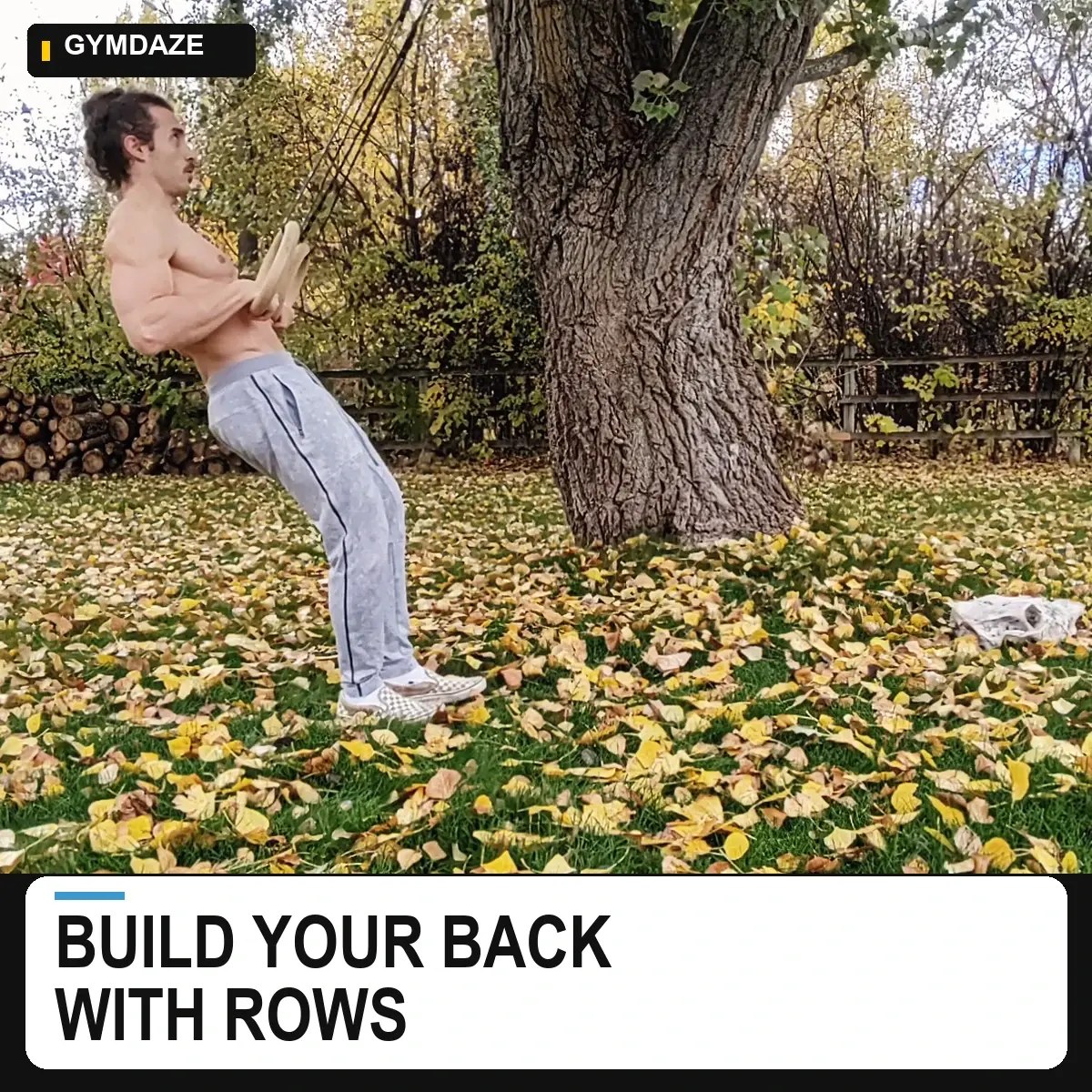
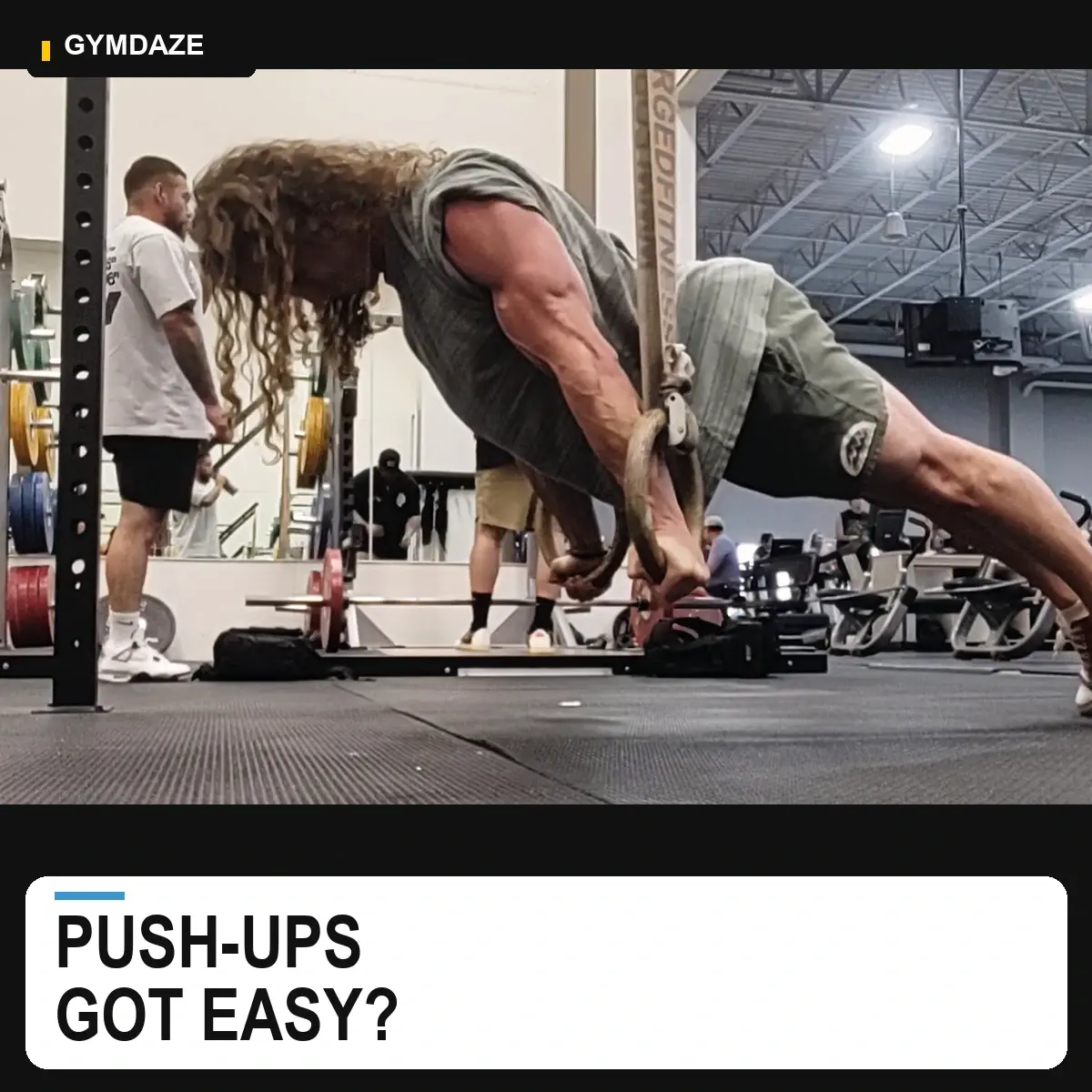
For a harder pressing movement, use the push-up progression guide. The home rowing guide gives you pulling options. Include legs in your plan too, using a squat or split-squat version you can repeat well.
One set per break or several exercises together?
Both can fit. The video gives an example of five sets each of push-ups, rows and split squats. That's fifteen exercise sets in total. You could spread them over fifteen breaks, or take five longer breaks and do one set of each movement during each break. For split squats, train both legs when completing that exercise's set.
| Break plan | What you do | Total for the example |
|---|---|---|
| One exercise each break | Rotate push-ups, rows and split squats | Fifteen breaks |
| Three exercises each break | One set of each, with time to recover as needed | Five longer breaks |
This shows how to divide a session; it isn't a requirement to start with fifteen sets. Use the amount of work that belongs in your own program. Someone adding these breaks to an existing gym routine needs to count that gym work too.
Pairing movements with little overlap can make a longer break easier to organize. The video uses pike push-ups and squats as an example. You still need enough rest to perform each set well. A short match doesn't guarantee that you're ready for the next hard set.
Count the training across the week
Home resistance training can improve strength and muscle size. The ACSM's 2026 guidance includes bands, bodyweight exercises and home routines among effective options. You don't need a gym building for the work to be useful.
A review of training frequency found no meaningful difference in muscle growth between frequencies when the weekly work was matched. Those studies didn't have people doing a set every time they lost a match. They support flexibility in distributing training, but they don't establish that this exact gaming arrangement produces identical results.
Keep track of what you actually complete. Three sets of a chosen exercise on each of four days adds up to twelve weekly sets of that exercise. Whether that is appropriate depends on the exercise, your other training and how well you recover. It isn't twelve sets for every muscle in your body.
Record the variation or band setup as well as sets and reps. Once all the planned sets reach the upper end of your working range with control, increase the difficulty a little. That gives you something useful to compare over time. Soreness after a long gaming day doesn't tell you how much muscle you've built.
Before your next session, put the equipment out and write the exercises and set targets somewhere you'll see them. You can organize that work in the program builder. When you've completed the planned training, keep playing if you want. You don't need another set every time you die.
Common questions
Frequently asked questions
Do I need to exercise after every loss?
No. Decide the day's exercises and set targets in advance. Game breaks can remind you when to do that work, but stop adding sets once the planned training is complete.
References