
Loading GymDaze…
Calisthenics and weight training
Build around the training you actually do. Start with versatile gear, add what makes your workouts easier, and leave room in the budget for the things you will use every week.
Already set up? Find exercises for your equipment.
As an Amazon Associate I earn from qualifying purchases. Affiliate disclosure.
157 of 157 equipment items
GymDaze picks puts versatile starting equipment first, then useful additions and specialist gear. The takes weigh setup, space, practical uses, and what else deserves your budget. Check the linked listing for current pricing and the exact model.
Exercise coverage counts each matching exercise once, including alternative setups. Some exercises need other equipment too.
 Equipment in use
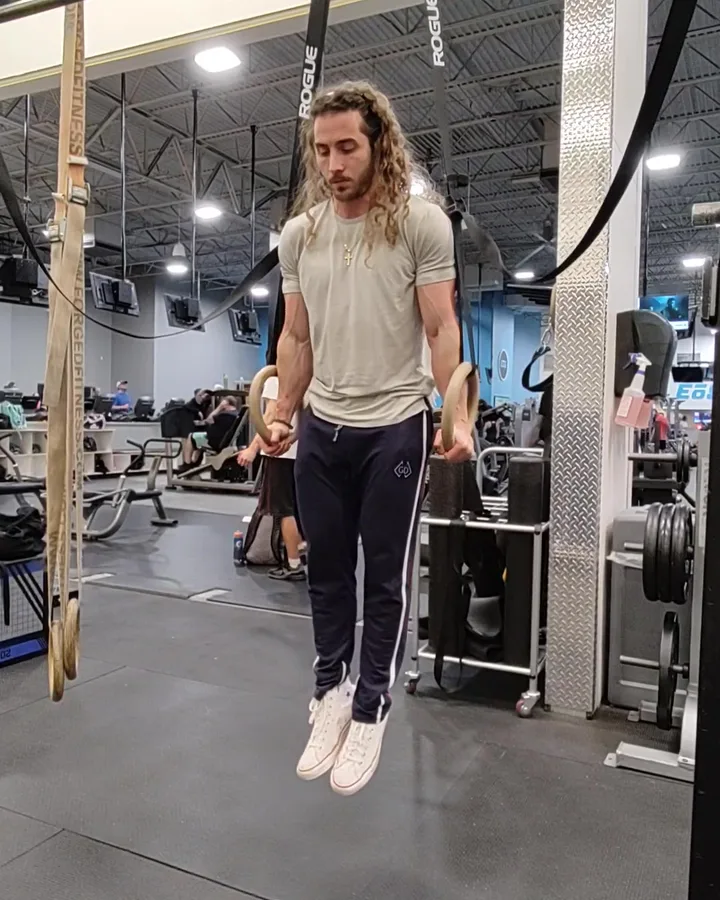
Rings are an easy early pick when you want rows, push-ups, dips, and support work from something that packs away. Put the budget into straps you can adjust and level reliably, and sort out a secure anchor before buying extra accessories.
 Equipment in use
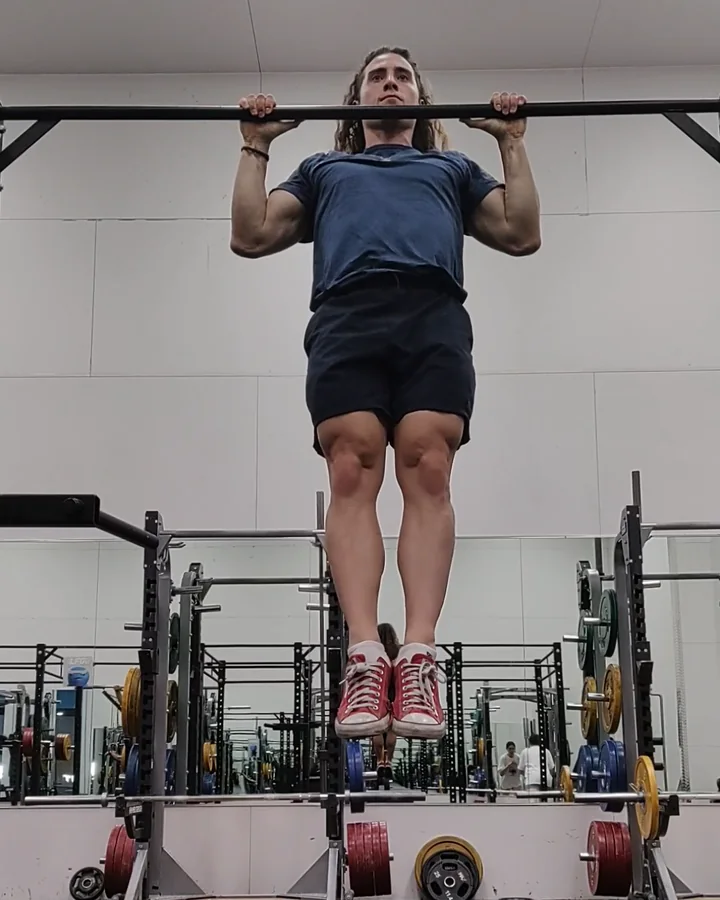
One of the first things to sort out for a calisthenics setup, with hangs, pull-ups, and hanging core work all sharing the same space. Choose the mounting style around your building and training rather than treating every doorway as a suitable anchor.
 Equipment in use
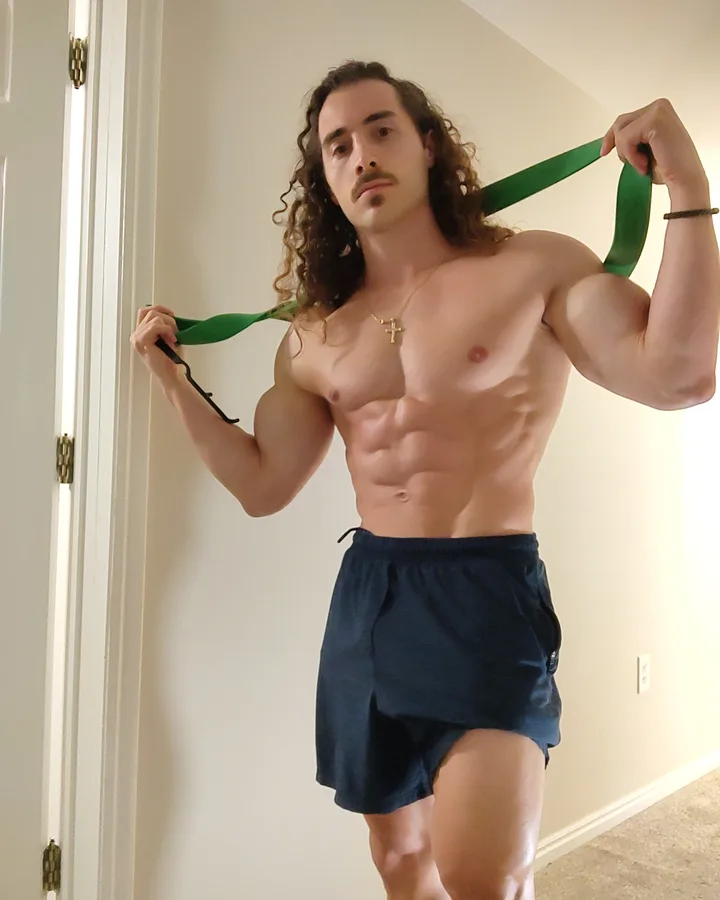
A strong early purchase for a mixed setup because the same loops can assist bodyweight work and load other exercises directly. Get resistance levels that suit your actual movements, and check the anchor and band condition rather than judging the set by how many colors it includes.
 Equipment in use
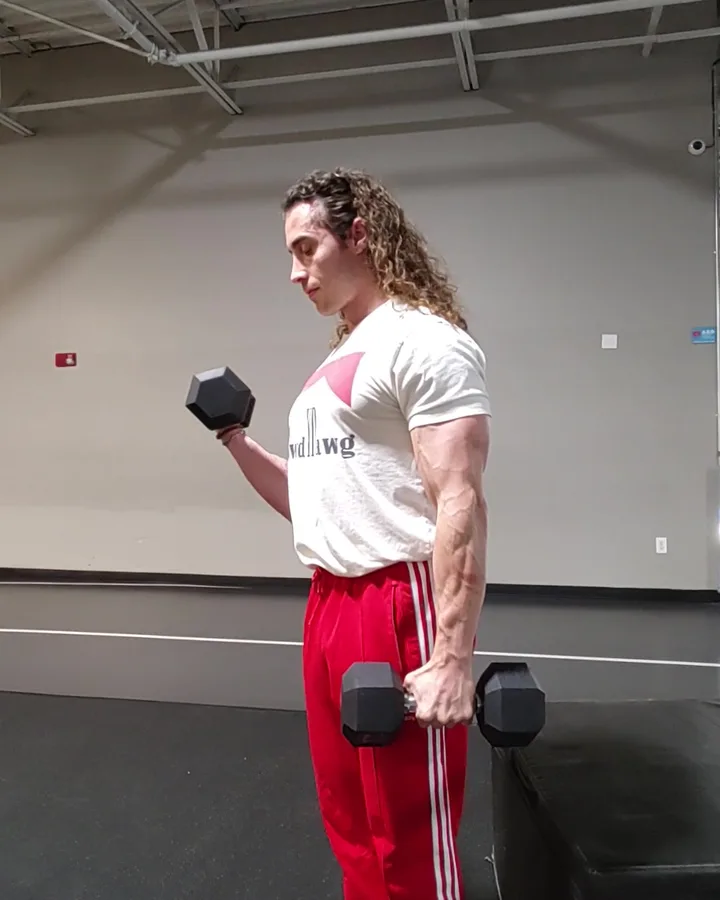
One of the easiest ways to add loaded work alongside calisthenics without building a full weight room. Adjustable pairs save storage, while fixed pairs avoid changeovers; choose around your working weights and how you actually train.
A bench earns its place through presses, supported rows, and plenty of other loaded work. Prioritize stability and the positions you need over a long feature list, and check the rated load includes you as well as the weights.
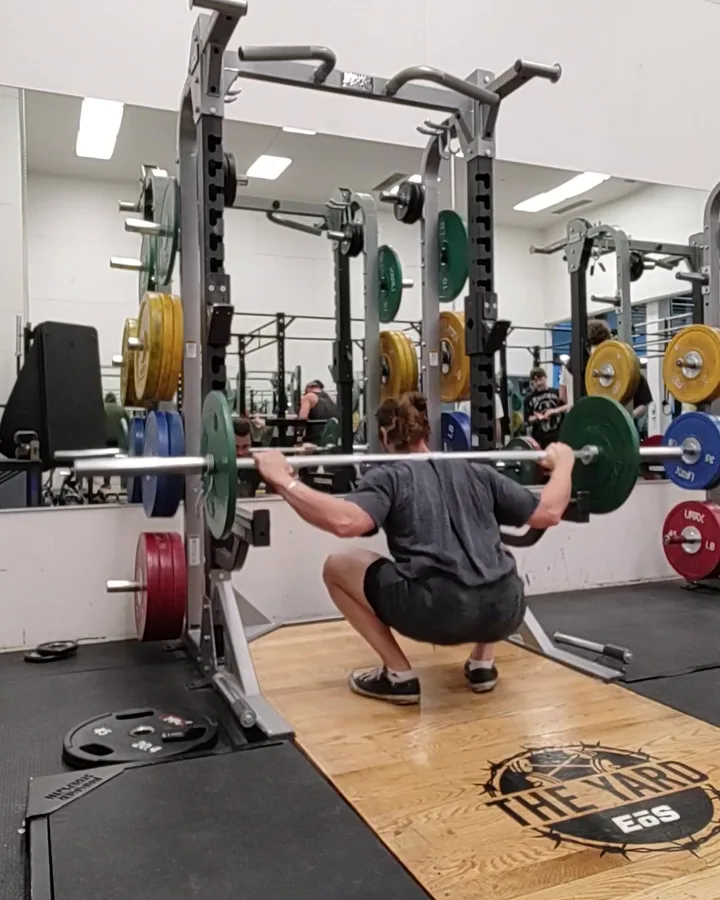
A strong starting point for a weight-room setup because the same bar can serve squats, hinges, presses, and rows. Budget for compatible plates and whatever rack or bench your lifts need; the bar alone is only part of the system.
Worth prioritizing when you need to get a bar into position for regular squat and press work. Check suitable safeties, stability, and rack height before optional storage or attachments, and include the bar's clearance in your measurements.
A strong centerpiece when barbell training is a major part of your plan. Measure the room, ceiling, bar clearance, and safety setup before comparing optional attachments; the rack needs to work for your actual lifts.
Plates earn their cost through the bars and machines they can load, so compatibility comes first. Buy useful increments for your training and enough storage rather than collecting mismatched sizes because each set looks like a deal.
A lot of core training fits into this tiny piece of equipment, which makes it an easy addition to a home setup. Start with a rollout you can control; the value comes from using the range you can manage, not reaching the wall on day one.
Useful for hand-supported skills when you want a handle grip and some clearance from the floor. Match the height to your training, because low handles for push-ups and taller bars for transitions solve different problems.
A good choice when riding is something you enjoy outside the gym as well as for exercise. Fit, storage, and where you can realistically ride matter more than buying a more elaborate bike than you will use.
A small, easy-to-store option for conditioning if you enjoy the rhythm and have room to swing it. Check rope length and the surface you will use, and start with a basic rope before paying for features you do not need.
An easy purchase if floor contact is making your training uncomfortable. Match the thickness and grip to the exercise, since a soft mat for lying work may be a poor surface for standing balance or heavy lifting.
One of the more useful large additions once your basic setup is covered, with plenty of pressing, pulling, and isolation options. Compare pulley positions, usable resistance, and attachments rather than assuming every cable machine can do the same jobs.
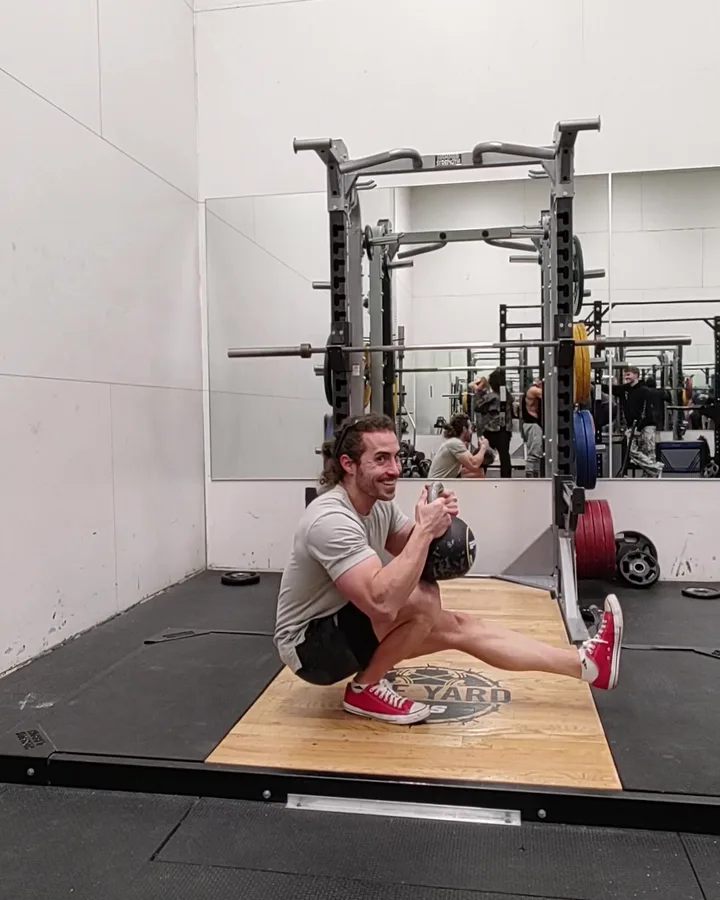
A useful compact option for carries, swings, and several loaded movements when you like the handle and shape. Choose the weight around the exercises you will repeat, since one heavy bell will not be equally practical for everything.
Useful for step-ups, jumps, and several elevated bodyweight setups. Pick a height and surface that suit those jobs, and check stability rather than buying the tallest box you can find.
A small cable accessory with plenty of uses for one-arm work. Buy a pair if your station supports two-sided movements, and prioritize a comfortable rotating grip over decorative extras.
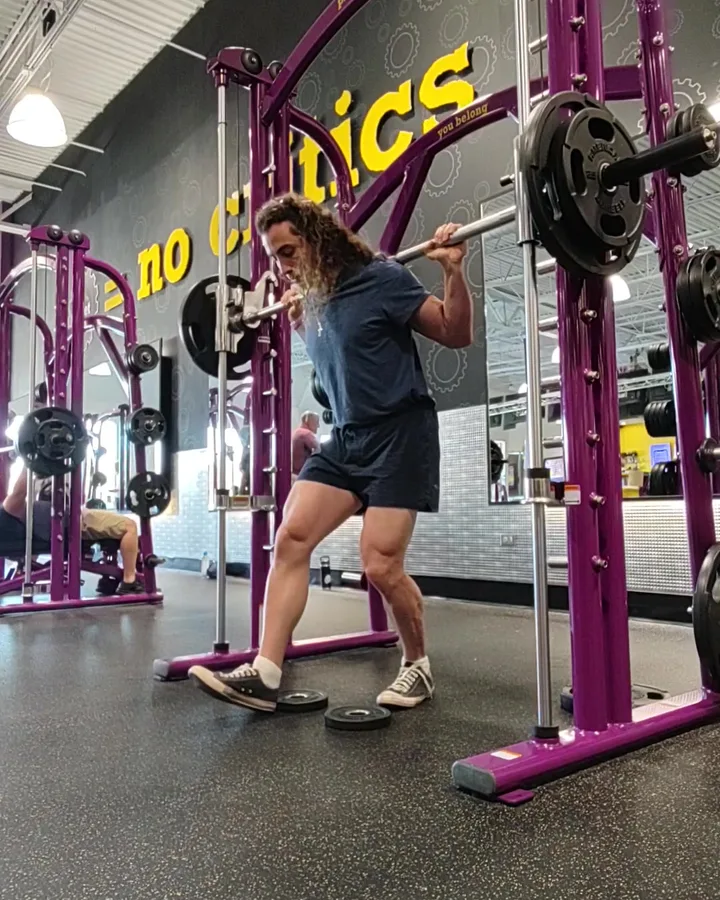
A guided bar can be useful for several presses, squats, and accessory movements if the path suits you. Compare travel, safety stops, usable space, and the direction of the rails before treating it as an automatic replacement for a free bar.
Useful for light resistance and small movements where a thick loop would be awkward. Choose an appropriate resistance and inspect the material regularly rather than treating the word therapy as a reason it must suit every use.
Handles can make portable band presses, rows, and curls simpler to set up. Check the connectors and anchor, and choose resistance you can use across your exercises instead of buying by the biggest combined number on the packaging.
A practical add-on for pressdowns, curls, and several other cable movements. Check the length and grip comfort, but there is little reason to pay for a pile of nearly identical ropes unless you need different setups.
Useful for adjustable rows, presses, and assisted movements when you have a suitable anchor. Compare the handles and foot cradles with rings before buying both, since there is plenty of overlap in a small home setup.
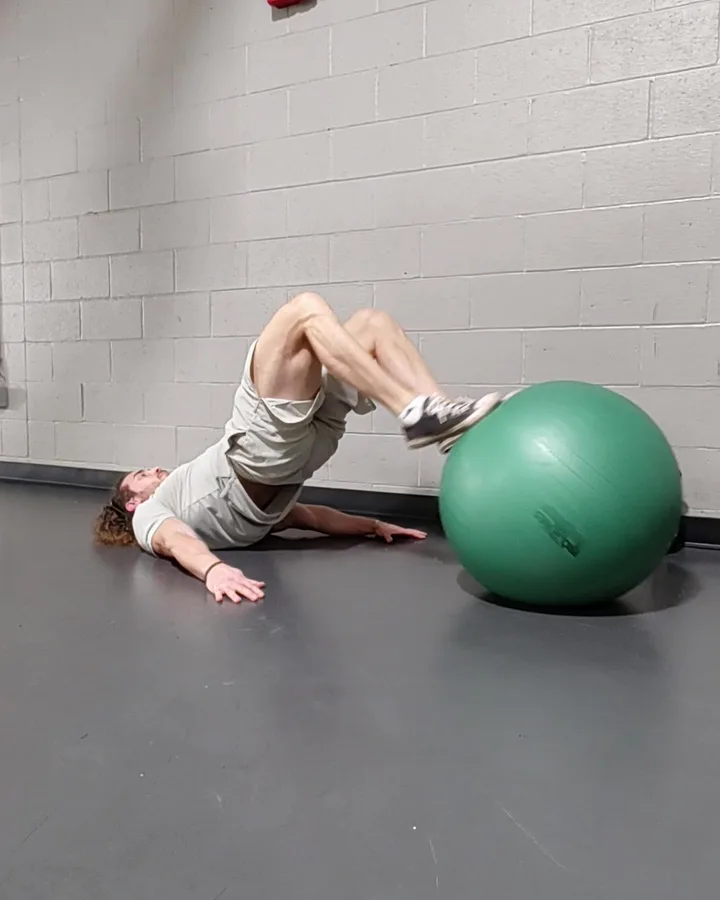
Useful for ball-supported curls, core work, and other movements that actually call for it. It is light enough to move around but bulky to store, so check the size and whether you will keep reaching for it.
A straightforward cable attachment for curls, pressdowns, and other two-handed work. Try the grip width if possible, and choose an angled or separate-handle option instead if that gives you a more comfortable position.
The adjustable height is handy for step work and low elevations in a compact setup. Check the platform size and stability before buying; a small step is not a substitute for every exercise that calls for a bench or box.
Worth considering when decline pressing or supported abdominal work is already in your routine. Compare a dedicated decline bench with an adjustable model, especially if you also need flat and incline positions.
Useful when the angled grip feels better for curls and extensions than a straight bar. It is a good second bar for regular arm work, but it should not eat the budget you still need for your main lifts.
Useful for loaded throws and drills where a ball is part of the movement. Match the ball to the activity, since a medicine ball is not necessarily designed for repeated slams or the same rebound as a wall ball.
A reasonable comfort accessory if you like using one and it helps you settle into your warm-up or wind-down. Start simple, because elaborate textures and extra firmness do not automatically make the experience better.
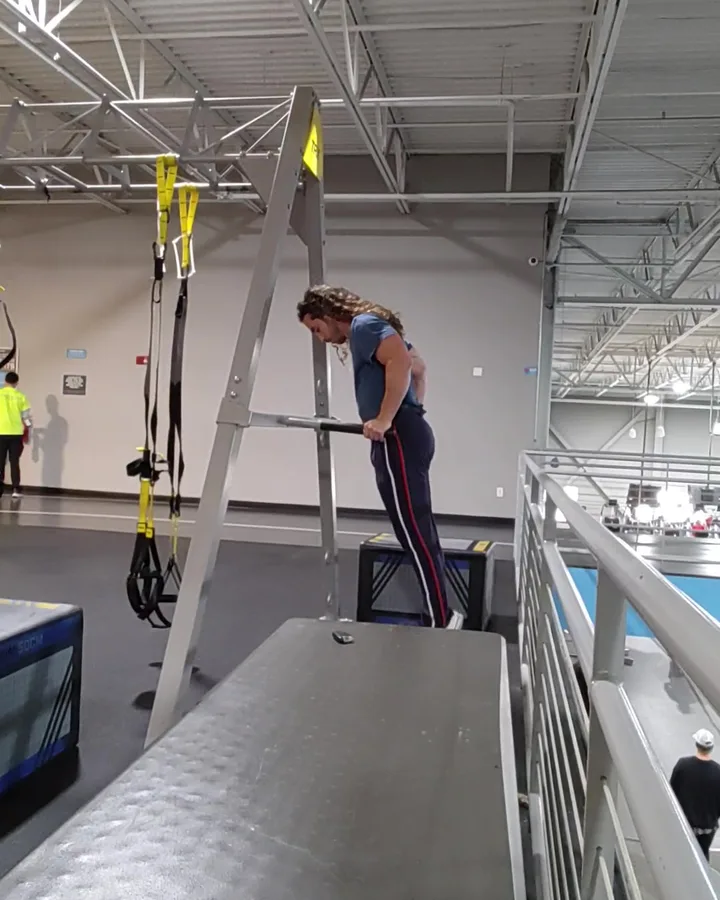
Useful for dips, support holds, and other bodyweight work when you have a stable place to put them. Check spacing and height against your movements; a cheap pair that shifts around will not feel like a bargain during a set.
A good way to get more pressing and rowing options from a barbell you already own. Check how it anchors and how much room the bar needs to travel, because the attachment is only the small end of the setup.
Useful for loaded pushes and drags if you have a suitable lane and somewhere to store it. The surface changes how it moves, so check where you will use it before choosing the sled or comparing loads.
Useful for several demanding posterior-chain and trunk exercises when you have the room and a plan to progress them. Check the adjustment range and learn the setup before buying one mainly because a particular exercise looks impressive.
A useful addition when you want adjustable pulling resistance without making every set a pull-up progression. Compare cable travel, thigh support, and any low-row function to see how much training the station actually covers.
Useful for short-range band work around the legs without a long loop getting in the way. Buy for that job specifically; mini loops are not a replacement for long bands used in pull-up assistance or full-body setups.
An integrated bench-and-rack station is convenient if bench pressing is the main job you want it to do. A separate bench and rack generally give you more layout choices, so consider that before committing to a dedicated footprint.
A stable chair can cover seated work and some supported movements without adding dedicated gym furniture. Check the exercise's setup carefully; wheels, folding joints, or a tipping chair are not features to work around under load.
A practical way to add hand-held drags and pulling variations to a sled you already use. Check strap length and hardware against your setup rather than buying a long set that leaves you no room to move.
A simple way to get heel clearance for calf raises without needing another machine. Look for a stable, nonslip platform with enough room for your feet, and confirm it suits the load and setup you intend to use.
A compact way to add sliding curls, lunges, and core variations to a home setup. Check that the sliders suit your floor, because the surface can make the same movement feel completely different.
The angled grip gives you another position for cable curls and extensions without buying a whole barbell setup. Choose it for comfort and useful hand spacing, not simply to add another attachment to the wall.
A useful basic attachment for a compatible pulldown station when you want several hand positions along a bar. Check the usable grip area and machine clearance; wider hardware is not automatically a better fit for your shoulders or room.
Handy for marking repeatable shuttle distances and agility layouts. Keep the purchase simple; clear spacing and a plan for the drill matter more than a huge collection of markers.
Useful for rehearsing positions and keeping a consistent reference during movement practice. A simple dowel is enough for that job; do not buy one expecting it to replace a load-rated bar.
A useful way to train carries and awkward-load movements without a collection of rigid implements. Check whether filling is included and how the bag closes, and choose a load you can use for more than one ambitious lift.
Useful for controlling reach and assistance in stretches without grabbing your clothing or improvising a short towel. The loops can make positions easier to repeat, but the strap does not need to be elaborate to do that job.
Useful for grip variations and some floor setups without adding much to the equipment pile. Check the exercise and how the towel is secured, since a household item is not automatically suitable for every hanging or loaded application.
A small addition that opens up lower-body cable work without buying another machine. Check the cuff fit and attachment hardware, and remember that the value depends on already having access to a cable station.
A useful close-grip option for rows when you already have a compatible cable station. Check the hand spacing and clearance instead of collecting handles that all put you in almost the same position.
A relatively simple way to give back-extension variations a dedicated, repeatable setup. Check pad placement and adjustment carefully, and compare the footprint with how often you will actually use it.
A useful addition for deadlifts, carries, and other work where you like standing inside the load. Compare handle heights, usable space inside the frame, and plate capacity before choosing between closed and open designs.
Useful for adding a little load to leg raises and controlled isolation work without holding a dumbbell between your feet. Buy for the movements you actually plan to do, since a modest ankle-weight set will not replace heavier lower-body equipment.
A worthwhile leg-training addition if you enjoy the supported squat path enough to use it consistently. Try the platform and movement first, and include the machine, plates, and loading clearance in your space and budget calculations.
A dedicated curl is useful if you want straightforward knee-flexion loading without arranging sliders, bands, or a cable. Try the fit and starting position, and compare seated and lying options before committing to one.
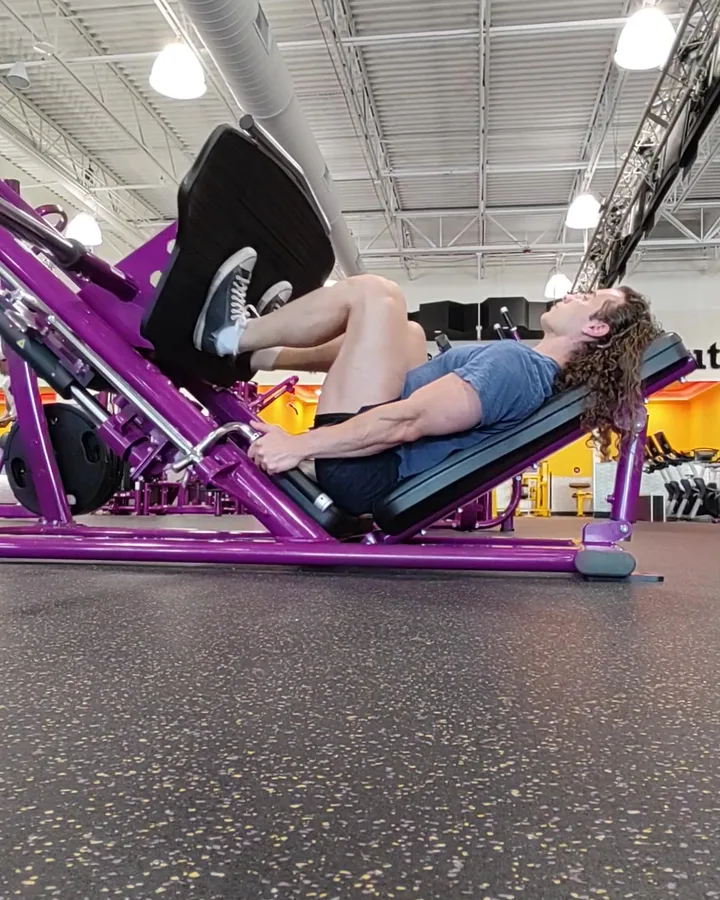
A useful option for loaded leg work when you enjoy the supported setup. Count the working clearance, plates, and delivery logistics as well as the machine's footprint; this is a substantial home-gym purchase.
A simple way to raise the hands for push-up work when that is the setup you need. Check grip, height, and resistance to tipping; more elevation is useful only when you can control the added range.
Worth owning if convenient indoor walking or running will make you use it regularly. Check the belt, room layout, noise, and maintenance needs before spending on entertainment features or a speed range you will never use.
A useful next step when you want to load dips or pull-ups beyond bodyweight. Check belt comfort and loading clearance, and include the plates and suitable bars in the setup rather than judging the belt in isolation.
Useful when wearing the load is more practical than holding it for your chosen bodyweight movements. Check fit, adjustability, and where the weight sits before buying the heaviest option, especially if it gets in the way of the exercise.
A sensible convenience upgrade when repeated barbell hip-thrust setup is enough of a nuisance that it changes your workouts. If you only do the movement occasionally, a suitable bench, bar, and pad are a more flexible use of the equipment budget.
Convenient for directly loading knee extension with a repeatable setup. It can earn its place in a leg-focused gym, but check the adjustment range and resistance before assuming a compact home model will meet your needs.
Useful when you want chest support and quick resistance changes without handling plates between sets. Compare the handle and pad positions with your body, and check what it adds beyond the rows you already enjoy.
Quick weight changes make a selectorized pulldown convenient for regular back work or several users. Check the seat, thigh restraint, and available resistance; a dedicated station needs to fit more than its spot on the floor.
Useful when you want to pull a sled without holding the straps throughout the effort. Check fit and attachment compatibility, and buy it only after you know the sled and walking space are sorted.
A useful cable option when its angled grip feels better for pressdowns than a straight bar. It takes little storage space, but is still worth comparing with the handles you already own before duplicating the same job.
Useful if you want a squat option loaded through a belt rather than a bar on your shoulders. Compare the usable range, belt attachment, and total footprint; it is a substantial addition, not an automatic first purchase for leg training.
Useful for supported knee and leg raises when you do not want grip to limit the set. If space is tight, compare the station's extra functions with a simpler pull-up setup before giving it a whole corner.
A useful back-training addition when you want chest support built into a loaded row. Check the pad position and handle options against your body, and count the plates and working space in the total purchase.
A good step up when loaded carries are frequent enough that dumbbell weight or grip shape becomes limiting. Include plate storage, loading time, and a clear walking route in the decision.
A good conditioning purchase if striking practice is something you want to keep doing. The mounting or base, surrounding clearance, and suitable protective equipment are part of the setup rather than afterthoughts.
Worth considering when the extra hand positions fit movements you actually want to train. Check clearance, mounting, and whether the handles leave enough useful space for your preferred grips.
A practical addition when you want a neutral hand position on a compatible pulldown. Check the grip width first, since several attachments can look different while offering nearly the same setup.
A compact way to add another hand position to a compatible pull-up bar. Check how they secure and whether they reduce your clearance, especially if you also hang rings from that bar.
Worth considering when the supported seat makes cycling something you are more likely to do regularly. Try the seating and pedal distance before buying, and budget around comfort and reliable adjustment before entertainment features.
A good conditioning option if you enjoy rowing enough to make it a regular part of the week. Check the full working length, storage method, and noise before buying, because folded dimensions do not tell you how it fits during use.
A practical indoor conditioning choice if cycling is something you will do consistently. Seat adjustment, noise, and the resistance style matter more than a screen you may stop using after the first month.
Useful when a straight handle gives you a better setup for the landmine movements you already do. Check sleeve fit and hand clearance rather than assuming every attachment fits every bar and exercise.
A pad is a sensible comfort purchase if loaded hip thrusts are a regular part of your training. Check that it stays in place and gives enough coverage instead of buying the thickest-looking one without considering the setup.
Useful for pole-specific skills when you have an appropriate installed training pole. Check the mounting and intended use carefully; a convenient-looking vertical fixture is not automatically exercise equipment.
Chains make sense when changing the load through a lift is part of your actual program. They also need storage and a sensible attachment setup, so they come after enough ordinary plates to train your main lifts.
Useful if supported curls are a regular preference and you already have the weights to load them. It is a narrow use of floor space, so an adjustable bench and ordinary curl options deserve consideration first.
A ready-to-use row station saves setup time and can be pleasant for high-volume back work. It is easier to justify in a larger gym than in a room where one adjustable cable station could handle several jobs.
Useful for deliberately elevated starts and other block-based lifting work. Check the intended loading and landing use carefully, and buy them because that setup belongs in your program rather than as general-purpose platforms.
Useful for repeatable stepping and jumping drills when those skills are in your program. Buy the height and design that suit the drill instead of assuming taller obstacles mean better training.
Useful when you want to load a crunch without balancing a plate on yourself. It is still a dedicated station for a fairly narrow job, so buy it after the equipment that supports the rest of your training.
Worth the space if rope climbing is a skill you want to practice regularly. Anchor requirements, ceiling height, and a clear landing area matter more than squeezing a long rope into a room that cannot support the activity.
Stone, keg and power-stairs loading need an elevated support suited to the implement and its load. A suitable multipurpose platform can work, but a bench or box label alone does not establish that suitability.
A guided knee-tuck machine makes sense if you enjoy that particular motion enough to use it regularly. For a small home gym, floor work and hanging variations deserve the space and budget first.
Convenient for loading hip abduction without arranging a cable or band. Worth considering for a larger gym with regular demand, but hard to prioritize over equipment that handles several movements.
A dedicated cable press can be comfortable and quick to adjust in a busy gym. If you are building a home setup, compare it with a more general cable station before spending space on a pressing-focused unit.
The adjustable assistance is useful when several people need different amounts of help with pull-ups and dips. For one person at home, its size deserves a serious comparison with bands and other assisted setups.
A dedicated decline press station is convenient for that lift but commits a lot of room to one angle. For a smaller gym, an appropriate adjustable bench and rack are worth comparing first.
Useful when you want independently loaded sides with the support and path already arranged. Compare its handle choices with your existing rows before spending room on another version of the same training slot.
Convenient for a repeatable rear-delt setup without moving a bench or adjusting cables. Check how it fits your reach, and consider whether a combination fly machine covers the same need with less equipment.
A carry frame can be practical when you want a centered implement that is easy to load repeatedly. Check the handle height, walking clearance, and plate needs; it is mainly worth buying for regular carry work.
A ready-made standing calf setup is convenient for regular use in a larger gym. For a smaller space, compare it with the calf work your rack, block, or other loaded equipment can already support.
Useful if you want a dedicated lever-row setup ready without arranging a bar and attachment. Check how much it improves your actual rows before giving it space that could serve several other movements.
A training tire makes sense for tire work, provided the size, condition, and working area suit the activity. It is awkward to move and store, so do not bring one home simply because it happens to be available.
A straightforward way to train hip adduction with a repeatable setup. If room or money is tight, look at your existing cable and bodyweight options before dedicating a station to it.
Buy a stone because you want to train stone lifting, not because your gym needs another heavy object. Storage, a suitable loading area, and the awkward handling are part of the purchase.
An adjustable trainer can be practical when several fixed stones would take too much room. Check which plates and loading setup it needs, and remember that the shape and feel will differ from a solid stone.
The thick shaft makes the grip a meaningful part of the lift, which is useful for axle events and deliberate grip work. Keep a regular barbell ahead of it on the shopping list unless that difference is what you are buying it for.
A supported, adjustable station can make back-extension loading convenient. Try the movement and adjustment range before giving it permanent floor space; a machine that does not fit you is poor value however substantial it looks.
Worth a look if balance practice is itself one of your goals. It is an optional skill tool, so do not let it displace the stable equipment you need for your main strength work.
These support a loaded barbell from a compatible rack for suspended starting positions. Use a system rated for that load and rack; bodyweight suspension trainers and wrist straps do not meet this equipment requirement.
Good for conditioning sessions where you want repeated upper-body work without chasing a machine display. Measure the usable floor length and sort out the anchor first, because the rope takes more working space than storage space.
Useful when a specific setup needs more bench clearance or height. Check that the block is designed to support your bench securely; it is a setup accessory, not a reason to turn an unsuitable bench into an improvised machine.
This belongs in a plan that deliberately uses partial-range bench presses. If you have not identified why you need that range, spend the money elsewhere instead of collecting variations for their own sake.
Easy to set up for repeated curl work, especially in a shared gym. At home, dumbbells or a cable station cover curls and far more, so this is a later purchase for someone who particularly likes the machine's feel.
Useful if you specifically want an unstable surface for balance practice. For a strength-focused shopping list, it comes well after stable supports and equipment you can progressively load.
Convenient for a repeatable cable-loaded hinge without arranging a low pulley each time. It has a narrow role, so make sure you prefer that setup enough to justify it over a general cable station or free weights.
Useful when you like a cable-loaded overhead press and want its setup ready to go. Check the starting position and handle travel in person if possible; a dedicated press is a big commitment to one movement.
A convenient way to load calf work if that station suits your training. Compare it with the calf options on equipment you already own before paying for a dedicated machine and its footprint.
Convenient for chest isolation without setting up two cable handles. A good fit matters here, so try the seat and starting position before buying it for a home gym that could otherwise use a more versatile station.
This is event equipment, with handling that is part of the challenge. Buy it for circus-dumbbell practice; ordinary dumbbells are the more practical choice for a general pressing and rowing setup.
A very specific purchase for loaded carrying in a circle. Unless you are training that event or equipping a strongman space, more flexible carry equipment deserves the budget first.
Useful if you like this particular supported rowing path and want it available every back session. It overlaps with other row stations, so add it to fill a genuine preference rather than a gap that your existing equipment already covers.
A useful option for someone who particularly likes a decline pressing path. If your gym already has several comfortable presses, this is variety rather than an urgent missing piece.
A loaded dip-style station can be convenient for focused pressing work without arranging a belt or hanging plates. Check the machine's actual motion before buying; it is not automatically interchangeable with bodyweight dips.
Worth considering if donkey calf raises are a movement you consistently choose. It is a narrow use of floor space, so most home gyms should establish a simpler calf setup first.
A plate-loaded upright handle fits the close-grip lifting used in duck walks and power stairs. Plan for the weight plates and any receiving platform as separate parts of the setup.
Worth owning if you genuinely prefer the elliptical and will use it often enough to justify the space. Try the stride and controls first, since a machine that feels awkward is an expensive place to hang clothes.
A dedicated kickback station saves the cuff and cable setup if you do this movement often. It is a later addition for a larger gym, especially when a cable station already covers your preferred kickback variation.
Useful for a rowing angle you enjoy and can repeat without a lot of setup. It is an extra back-training option, so check how much it adds beyond the pulldown and row equipment you already have.
Convenient when you want a dedicated barbell incline station with minimal setup changes. In a smaller room, a separate adjustable bench and suitable rack can cover more of your weekly training.
Useful if this pressing angle and handle path are a good fit for you. A machine you enjoy can earn its place, but several slightly different chest presses should not come before the rest of your gym is covered.
Worth buying if skating itself sounds enjoyable enough to become a regular activity. Fit, a suitable surface, and protective gear deserve attention before features that matter mainly to more experienced skaters.
Independent arms give you another way to organize pulldown work. This is a specific machine preference rather than an essential upgrade over every other pulldown option, so try its path before committing.
Useful for practicing an awkward load when keg lifting or carrying is the actual goal. Make sure the implement and loading method suit training; a random container is not automatically a safe substitute.
Useful if you prefer a lever-based hinge or shrug setup with the handles already positioned. It is a specific alternative to free-weight work, so it should solve a real preference rather than duplicate equipment you already like.
Convenient for repeated low-row work without rearranging a cable station. Worth a dedicated spot if that row is a favorite, but a more general pulling setup should usually come first.
A handheld roller lets you control pressure with your hands during the documented massage drills. It is a different setup from putting your bodyweight on a floor foam roller.
A compact upright seat can make seated pressing convenient in a shared weight room. For a home gym, compare it with an adjustable bench that can handle your other presses and supported exercises too.
A specialist accessory for deliberate neck training, not a general strength essential. Prioritize fit and a controlled, gradual approach, and do not buy one as a do-it-yourself answer to neck pain.
Worth considering if you specifically enjoy the arc and support of a pendulum squat. This is a large commitment to one squat variation, so try it and compare the total setup with a hack squat or existing rack first.
A convenient press when the seat and lever path suit you and plates are already available. For a small gym, check whether that convenience is worth the space compared with your current bench and dumbbell setup.
Useful if a lever-based overhead press is a movement you consistently choose. Include plate loading and storage in the layout, and try the bottom position before buying around the machine's appearance.
Quick to set up for focused curl work without arranging a bar or dumbbell. Buy it because the arm position and resistance feel right for you, not because every gym seems to have one.
A distinctive pulling option if you enjoy the machine's support and movement path. It is a later addition for a well-equipped gym, since general pulling equipment can cover much more of your week.
Useful if reverse hypers are a deliberate part of your training and you have room for the moving load. It is not an essential purchase for everyone with a posterior-chain goal, so compare it with the hinges and extensions you already do.
Useful if you specifically want chest-supported rows with plenty of clearance underneath. A dedicated seal-row bench takes space, so compare it with the supported rows available on a normal adjustable bench first.
Convenient if seated calf work is a consistent part of your plan. Check the knee-pad position and loading setup, and make sure the station earns its footprint instead of buying it just to complete a machine collection.
Quick weight changes make it convenient for regular pressing and shared use. Seat adjustment and a comfortable starting position matter more than another stack in the room, so try the machine before committing.
A convenient way to repeat overhead press work with little setup between users. It is a specific pressing station, so its adjustment range needs to justify the space better than a general bench-and-weight setup.
Handy if loaded shrugs are important enough in your training to deserve a ready-made station. Otherwise, dumbbells, a barbell, or a trap bar cover the job while staying useful for more of the week.
A useful option if you prefer its support and resistance to dumbbell or cable lateral raises. Try the arm pads and adjustment before buying; enjoying that specific setup is the strongest reason to give it permanent space.
Useful for deliberate hammer-and-tire conditioning when you have an appropriate striking area. It needs more planning than its size suggests, so leave it off a small indoor shopping list unless that activity is genuinely part of your routine.
Worth considering if stair climbing is the conditioning you genuinely prefer. Ceiling clearance, servicing, and the full machine footprint make it a major home purchase compared with simpler ways to get your conditioning done.
Useful when you prefer this supported single-leg curl setup to other knee-flexion options. Try the support and roller adjustment, and compare how much it adds beyond an existing curl machine before buying another station.
Buy a log when the clean and press with that implement is part of what you want to train. Diameter, handle spacing, and loading requirements matter, and a regular bar remains the more flexible first purchase for general lifting.
A dedicated rotation station is a specific training preference, not a basic home-gym requirement. Try its fit and comfortable range first, and compare it with the rotational cable work your existing setup supports.
Convenient for focused triceps work when you like the arm support and movement path. It is a later purchase for a larger gym, because a cable station or free weights can cover extensions and many other exercises.
Useful if you prefer this seated pressing setup for triceps-focused work. Compare it with your existing dip and press options before buying another station that fills a similar slot.
Worth considering when you prefer the lever path and supported setup for squatting. Try the machine and measure its full working space first, since this is a substantial purchase for one main movement pattern.
A compact tool for deliberate forearm work if you enjoy the winding motion. Check how it is loaded and supported, and treat it as an accessory after your main pulling and grip equipment is covered.
Worth the space when yoke carries are a real training priority and you have a suitable lane. Check height adjustment, loading, and any additional functions, but do not buy a large frame just to fill the last empty patch of a gym.
Photos show equipment examples, which may differ from the linked model. Manufacturer links may lead to equipment information rather than an online checkout.