
On this page
- Who should buy whey protein, and who should buy plant protein?
- The quick answer for most people
- Best for muscle gain
- Best for sensitive digestion
- Best for budget
- Best for meal-replacement-style shakes
- Best for taste and mixability
- Why this choice is not as simple as people make it sound
- What whey and plant protein actually are
- Does whey actually work better for muscle gain?
- Which one is better for fat loss?
- Which one is easier on digestion?
- Why whey usually tastes better
- What actually matters on the label
- Protein per serving
- Protein relative to scoop size
- Ingredient simplicity
- Sweeteners
- Proprietary blends
- Cost per gram of protein
- The best whey protein picks for this article
- Best overall whey for most people
- Best whey option if concentrate bothers your stomach
- The best plant protein picks for this article
- Best plant protein for everyday use
- Best plant protein for training-focused users
- So which one should most people buy?
- Common protein powder mistakes that waste money
- Buying on branding instead of protein value
- Assuming “clean” means effective
- Ignoring digestion
- Choosing a flavor you will hate by week two
- Paying premium prices for underdosed servings
- Bottom line
- FAQ
- Can plant protein build muscle just as well?
- Is whey isolate worth the extra money?
- Why does protein powder upset my stomach?
- Do I need protein powder at all?
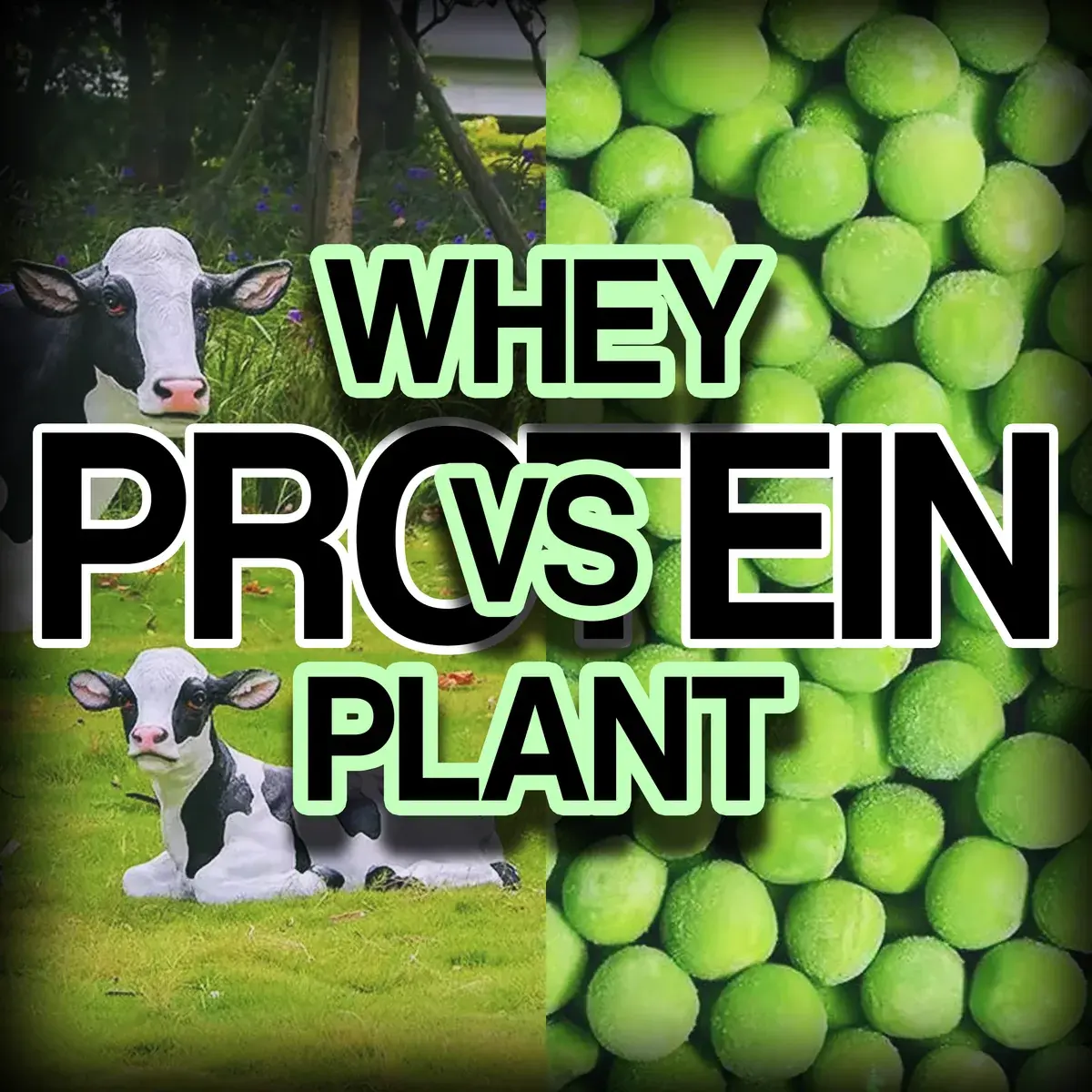
If you just want the quick answer, whey protein is still the easier choice for most lifters who care about muscle gain, taste, and cost per serving. Plant protein can absolutely work too, but it usually makes more sense if you avoid dairy, do better with non-dairy powders, or want a shake that fits a vegan or plant-based diet. The important thing is that this is not really a morality contest or a supplement identity test. It is a fit question. Which protein helps you hit your daily intake consistently, without wrecking your stomach or your budget? Research reviews still show a small edge for animal protein in some muscle-mass outcomes, but the gap gets a lot smaller when total daily protein is high enough and plant formulas are well-designed. (PubMed)
That is where people get tripped up. They hear "whey is best" and assume plant protein is weak. Or they hear "plant protein works too" and assume the products are basically identical. Neither is quite right. Whey usually gives you a more favorable amino acid profile per scoop, especially for leucine, which matters for stimulating muscle protein synthesis. Plant proteins can still work very well, especially blends like pea plus rice, but they often need better formulation or slightly more total protein to close the gap. Total daily intake still matters more than protein tribalism. The International Society of Sports Nutrition still puts most active adults in the 1.4 to 2.0 grams of protein per kilogram of body weight per day range, with higher intakes sometimes helping lean-mass retention during calorie deficits. (PubMed)
Who should buy whey protein, and who should buy plant protein?
For most people focused on muscle gain, whey is the simpler buy.
It is usually cheaper per gram of protein, usually tastes better, usually mixes more smoothly, and usually gives you a stronger amino acid profile without needing to think too hard about it. That makes it especially practical for lifters who want a post-workout shake, an easy breakfast add-on, or a low-effort way to hit protein targets.
Plant protein makes more sense if dairy does not agree with you, if regular whey leaves you bloated, if you eat vegan, or if you just want a non-dairy daily option you can stick with long term. For some people, that consistency matters more than the slight edge whey may have on paper.
Choose based on what you need from the powder:
- Buy whey if your priority is muscle gain, taste, mixability, and lower cost per serving.
- Buy plant protein if your priority is avoiding dairy, improving digestion, or sticking to a plant-based routine.
The quick answer for most people
Best for muscle gain
Whey, especially if you want the easiest path and do not have dairy issues. (PMC)
Best for sensitive digestion
Usually, whey isolate or a simpler plant blend, depending on whether your issue is lactose or just heavy formulas. Whey isolate is typically lower in lactose than whey concentrate. (WebMD)
Best for budget
Regular whey concentrate or whey blends usually win on cost per gram of protein. Plant powders often cost more for less protein per scoop based on the product pages reviewed here. (Amazon)
Best for meal-replacement-style shakes
Plant protein often works better here because it pairs naturally with fruit, oats, seeds, and nut butter, and many formulas include more fiber.
Best for taste and mixability
Whey usually wins.
Why this choice is not as simple as people make it sound
People like clean supplement narratives. Whey builds muscle. Plant is cleaner. Isolate is elite. Organic means better. Real buying decisions are messier than that, and it mostly comes down to the individual brand.
A powder can look great on the front label and still be a bad fit because the serving is underdosed, the texture is awful, the sweetener wrecks your stomach, or the cost per usable serving is terrible. On the other side, a very basic whey powder can do exactly what most gym-goers need if it gives you enough protein, sits well, and fits your budget.
That means the better question is not "Which protein powder is superior in theory?" It is "Which one will I still be using three weeks from now?"
What whey and plant protein actually are
Whey protein comes from milk during the cheese-making process. It is a dairy-based protein that is naturally complete, meaning it contains all nine essential amino acids. Most popular whey powders are either concentrate, isolate, or a blend of the two. Isolate is processed further, which usually means more protein by weight and less lactose, fat, and carbohydrate. (WebMD)
Plant protein is a broader category. It can come from pea, brown rice, soy, hemp, pumpkin seed, or blended formulas. Single-source plant proteins sometimes have a weaker amino acid profile for muscle building, which is why better products often combine multiple sources to improve the overall profile. (PMC)
Does whey actually work better for muscle gain?
In a very practical sense, yes, whey usually has the advantage.
It tends to deliver more leucine and a stronger amino acid profile per scoop, which is why it is often treated as the default post-workout protein. That advantage is real. It is also easy to overstate. A recent meta-analysis found animal protein may have a small beneficial effect over non-soy plant protein for muscle mass, but not a giant one, and the authors also noted the research still needs broader plant-protein data. Another review found the differences can be small, especially when overall protein intake is adequate. (OUP Academic)
For a lifter who already eats enough total protein and trains hard, plant protein can still work just fine. That is especially true if you use a plant blend with a decent protein dose instead of a weak, low-protein formula that is mostly marketing.
Whey still has the muscle-building advantage for most people, while a well-formulated plant protein can also support hypertrophy.
What matters more than the source is whether you know how much protein you need and whether you:
- hit your daily protein target
- get enough protein per meal
- train with progressive overload
- stick to the plan long enough for any of this to matter
Which one is better for fat loss?
Fat loss is where the debate gets more annoying than useful.
Neither whey nor plant protein has a magical fat-loss property by itself. What matters is whether the powder helps you stay in a calorie deficit while keeping protein high enough to preserve lean mass. Higher protein intakes can help with lean-mass retention during dieting, which is one reason protein powder can be useful during a cut. (PubMed)
Whey often wins here because you can get a high protein dose with relatively low calories, and the texture tends to be easier to drink when appetite is lower. Plant protein can still work well, especially if you prefer a thicker shake that feels more filling.
With either type, check beyond the front label for:
- low protein relative to serving size
- extra sugar
- added creamers or fillers
- a high price for not much actual protein
For fat loss, the best powder is usually the one with a strong protein-to-calorie ratio that you will actually use consistently.
Which one is easier on digestion?
This is where the answer flips for a lot of people.
Some people do perfectly well on regular whey concentrate. Others get bloated, gassy, or feel heavy after it. In those cases, whey isolate can make more sense because it is usually lower in lactose. That does not help if you have a milk allergy, but it can help if the issue is mainly lactose tolerance. (WebMD)
Plant protein is not automatically better for digestion, though. Some formulas are loaded with gums, fibers, sugar alcohols, or thickening agents that leave people feeling just as rough, just in a different way. Pea protein can also feel heavier or grittier in some products.
A good rule here is simple:
- Try whey isolate if regular whey bothers your stomach.
- Try a simpler plant blend if dairy is clearly the problem.
- Be suspicious of formulas with a long list of gums, fibers, and sugar alcohols if you already have a sensitive stomach.
Why whey usually tastes better
Whey usually tastes better because it mixes more easily and gives you a smoother, creamier shake.
That matters more than people admit. A powder can be slightly "cleaner" on paper and still be a worse buy if you hate drinking it. Plant protein has improved a lot, but texture is still where whey usually pulls ahead. Plant formulas can work well in smoothies, oats, and yogurt, where the thicker texture is less of a problem. Straight shaker-bottle mixing is where whey usually feels easier.
What actually matters on the label
Check these details before choosing by the branding:
Protein per serving
Twenty to twenty-five grams per serving is a solid, practical range for most powders.
Protein relative to scoop size
If a huge scoop only gives you a modest protein hit, that is worth noticing.
Ingredient simplicity
Shorter ingredient lists are not always better, but long lists full of texture agents and sweeteners can be a problem if digestion matters to you.
Sweeteners
Sugar alcohols can be rough for some people. Artificial sweeteners are not automatically bad, but they are worth noticing if you know you react poorly.
Proprietary blends
These are usually not helping you make a better decision.
Cost per gram of protein
This is one of the easiest ways to stop buying based on branding.
The best whey protein picks for this article
Best overall whey for most people
Optimum Nutrition Gold Standard 100% Whey Protein Powder, Double Rich Chocolate, 5 Pound (Packaging May Vary)
Optimum Nutrition Gold Standard 100% Whey
This is the easy default for most readers because it gives you 24 grams of whey protein per scoop and 5.5 grams of naturally occurring BCAAs, and it is widely available in multiple sizes and flavors on Amazon. It is a practical middle ground between price, taste, and convenience rather than some niche "hardcore" pick. Buy this if you want a basic whey that covers muscle gain, daily shakes, and general convenience without overthinking it. Skip it if regular whey tends to bother your stomach and you already know you do better with isolate.
Best whey option if concentrate bothers your stomach
Dymatize ISO100 Whey Protein Powder Isolate, Gourmet Chocolate, 25g of Protein, 5 Pound, 5.5g BCAAs, Less Than 120 Cal., Gluten Free, 1g Fat, 1g Sugar, 2g Carb (71 Servings)
This one makes more sense for people who want a leaner whey profile with less lactose and a lighter digestion profile than many standard whey blends. The Amazon listing shows 25 grams of protein, 5.5 grams of BCAAs, less than 120 calories, 1 gram of fat, 1 gram of sugar, and 2 grams of carbs per serving. Buy this if your goal is muscle gain, but you want a whey that is usually easier to tolerate than standard concentrate-heavy formulas. Skip it if budget is your top priority, because isolate is usually the pricier route.
The best plant protein picks for this article
Best plant protein for everyday use
Orgain Organic Vegan Protein Powder, Vanilla Bean - 21g Plant Protein, 6g Prebiotic Fiber, No Lactose Ingredients, No Added Sugar, Non-GMO, For Shakes & Smoothies, 2.03 lb (Packaging May Vary)
Orgain Organic Vegan Protein Powder
This is the more practical daily-use plant option for readers who want a simple non-dairy powder for smoothies, oatmeal, or general protein support. The Amazon product page lists 21 grams of plant protein, 1 gram of sugar, and a pea, brown rice, and chia blend with all nine essential amino acids. It also includes prebiotic fiber, which some people will like, and some sensitive-stomach users may want to watch. Buy this if you want a flexible plant protein for daily use and care more about routine fit than squeezing out every last possible muscle-gain edge.
Skip it if you want the highest protein dose possible per serving.
Best plant protein for training-focused users
Vega Sport Vegan Protein Powder + Recovery - 30g Plant Based Protein per Serving, Peanut Butter, 19 Servings, 5g BCAAs, Probiotics, NSF Certified, for Shakes & Smoothies, 1.8lbs (Packaging May Vary)
This one is the better fit if you specifically want a plant protein that leans harder into sports use instead of just being a wellness smoothie powder. The Amazon listing shows 30 grams of plant protein per serving, 5 grams of BCAAs, and NSF Certified for Sport labeling on the product page.
Buy this if you want a higher-protein plant option that is more obviously positioned for lifting and recovery.
Skip it if taste and value matter more than having a more performance-oriented plant formula.
So which one should most people buy?
For most lifters, whey still makes the most sense.
It is usually cheaper, easier to drink, easier to mix, and a little more efficient for muscle gain.
Plant protein becomes the better buy when whey does not fit your stomach, your diet, or your daily routine. And that matters more than internet arguments about which tribe "wins." The best protein powder is the one that actually gets used.
That means:
- choose whey if your main goal is muscle gain, convenience, and value
- choose plant if dairy is a problem or you want a non-dairy daily shake you can stick with
- choose isolate if regular whey leaves you feeling rough
- stop obsessing over tiny differences if your total daily protein is still low
Common protein powder mistakes that waste money
Buying on branding instead of protein value
Fancy packaging does not make the powder better.
Assuming “clean” means effective
A minimal label can still hide weak protein dosing or poor value.
Ignoring digestion
A powder that looks perfect on paper is still a bad buy if it wrecks your stomach.
Choosing a flavor you will hate by week two
This matters more than people think.
Paying premium prices for underdosed servings
Always check the actual protein amount, not just the health halo around the product.
Bottom line
Whey is still the best choice for most people trying to build muscle. Plant protein is still a very solid option for dairy-free diets, vegan lifters, and people who simply do better with non-dairy shakes. Whey isolate is often the smartest middle ground if you want the muscle-building convenience of whey without the heavier feel of some concentrate formulas. And if taste matters a lot to you, whey usually wins.
Choose a powder you tolerate and enjoy enough to use consistently to meet your protein target.
FAQ
Is whey better for building muscle?
Usually yes, at least slightly. Whey generally gives you a stronger amino acid profile per scoop, especially for leucine, which is one reason it remains the default choice for muscle gain. But plant protein can still work well when total daily protein intake is high enough and the formula is decent. (PubMed)
Can plant protein build muscle just as well?
It can build muscle very well, yes. The gap is usually smaller than people make it sound, especially when the plant formula is a good blend and you consistently hit your daily protein target. (PMC)
Is whey isolate worth the extra money?
It can be, especially if whey concentrate leaves you bloated or heavy. If regular whey sits fine with you, isolate is more of a convenience upgrade than a necessity. (WebMD)
Why does protein powder upset my stomach?
Common reasons include lactose, added gums, sugar alcohols, high fiber, or just using a formula your body does not tolerate well. The issue is not always the protein source itself.
Do I need protein powder at all?
No. Protein powder is just a convenient way to help you reach your daily protein target. If you already hit that target through whole foods consistently, you do not need it. (PubMed)
If you're still stuck, keep it simple. Go with a basic whey if your stomach handles dairy, or a blended plant protein if it does not. The best supplement decision is usually the one that makes your daily routine easier, not the one that sounds the smartest on paper.
References