
Advanced exercise
German Hang Pullout
Recommended external demonstration
Watch German Hang Pullout
Loading video controls…
Watch on YouTubeInverted Hollow to German Hang Pull-Out
Technique
How to perform German Hang Pullout
- Use a pull-up bar or rings with the existing overhand setup and enter an inverted hang.
- With straight elbows, lower into the full German-hang starting position rather than stopping at horizontal.
- Keep your legs together and your hips extended so the working pullout remains straight-bodied.
- Raise your hips and legs together, rotating the body upward through horizontal without tucking or bending your elbows.
- Continue to a vertical inverted hang.
- If repeating the sequence, control the return to the same German-hang start instead of dropping into it.
Programming relevance
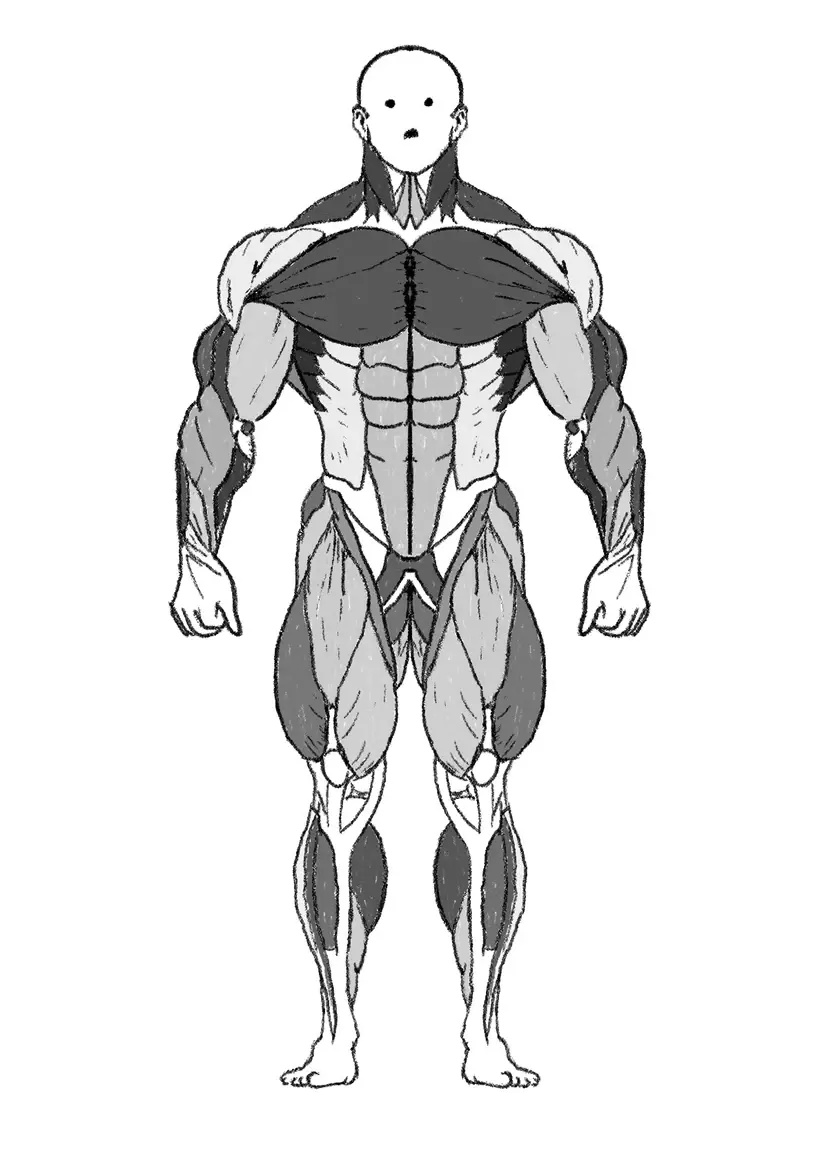
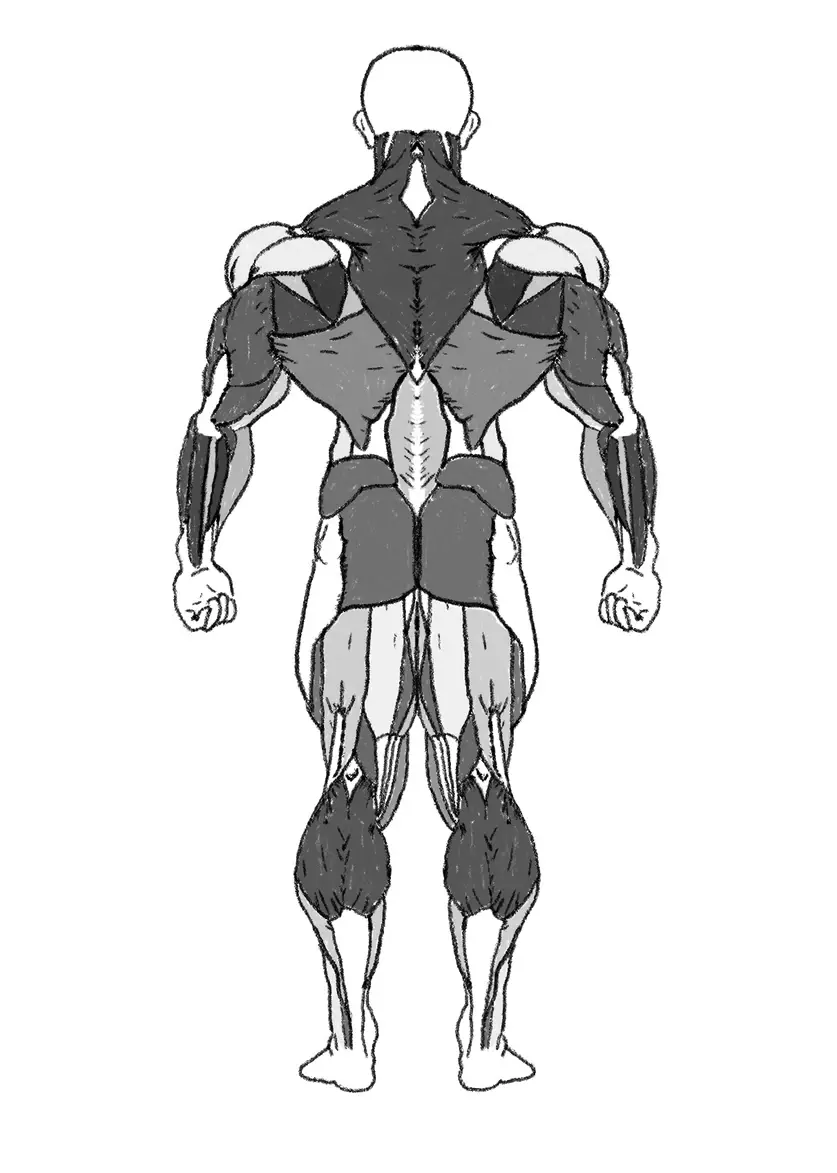
Muscles involved
Primary targets: Anterior Deltoid, Pectoralis Major Sternocostal Head, Pectoralis Major Clavicular Head.
MuscleScoreRole
Calisthenics graph
Progression relationships
These relationships describe graph position, not personal readiness.