

Advanced exercise
Support to Back Lever
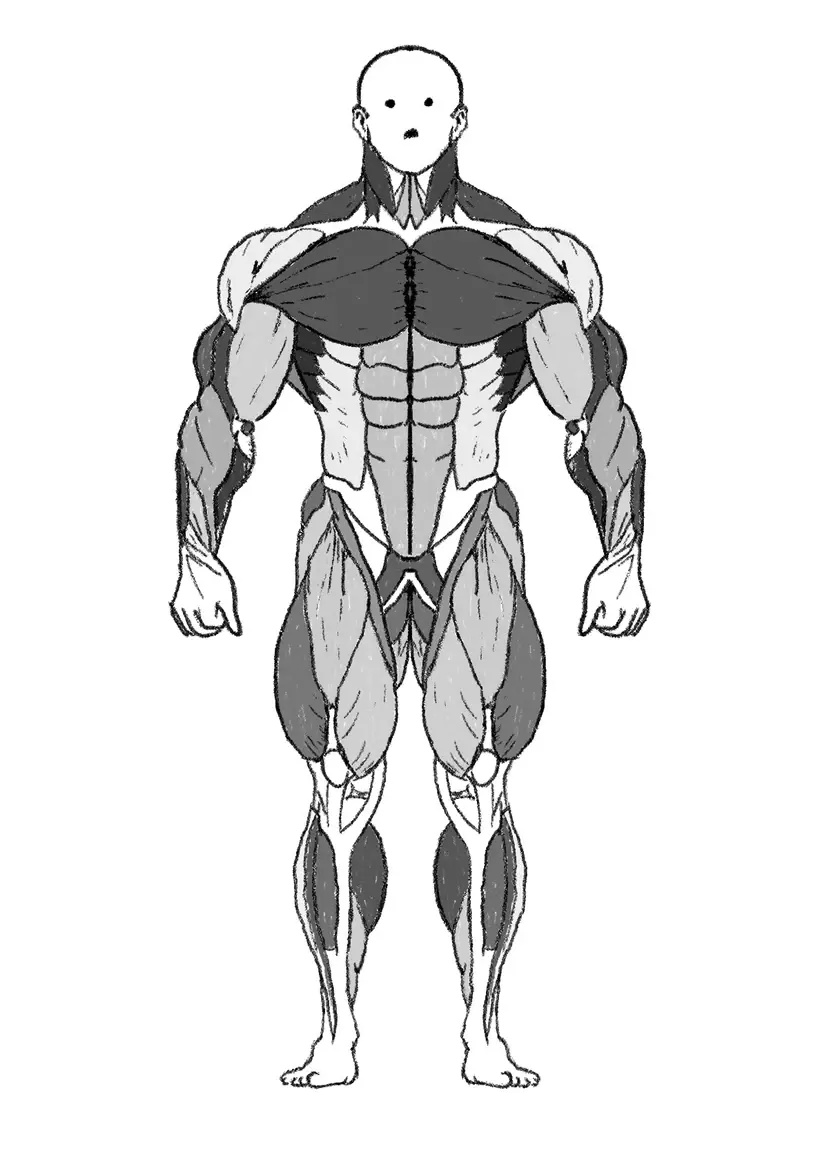
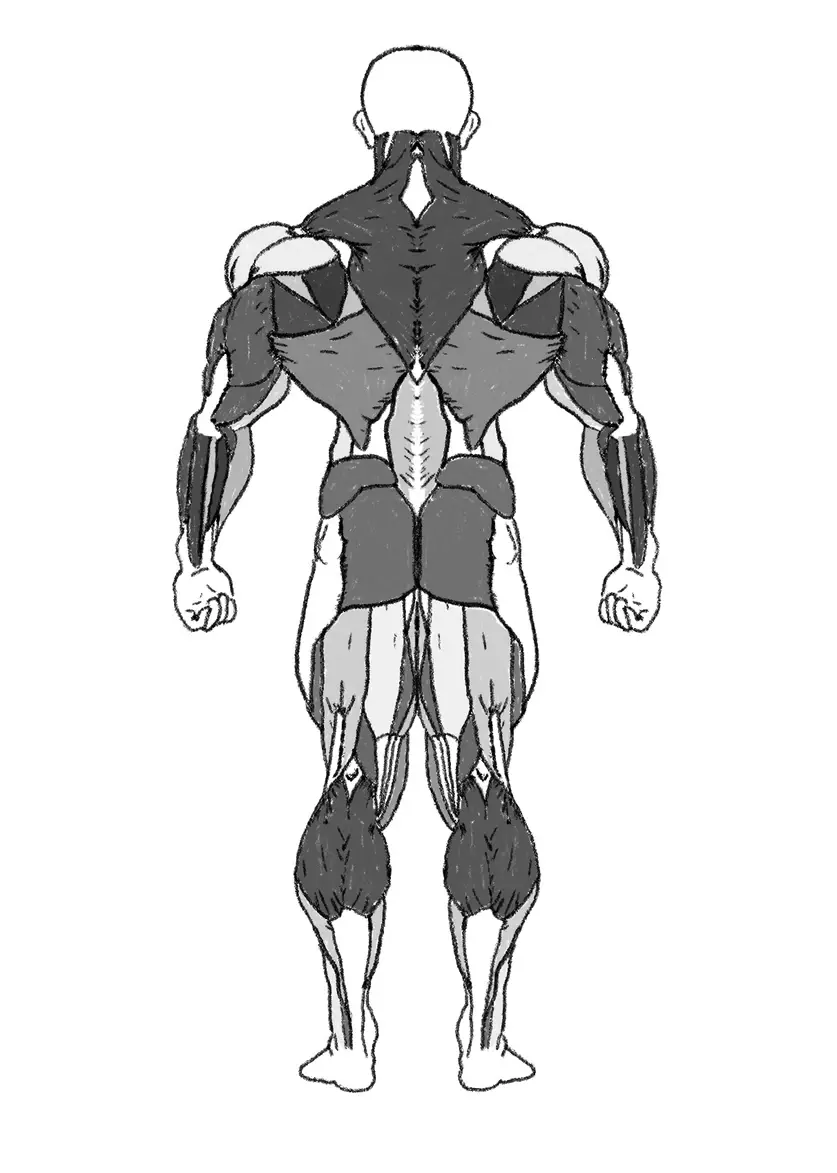
Also called Back Lever to Support, Hefesto
Recommended external demonstration
Watch Support to Back Lever
Loading video controls…
Watch on YouTubeBack Lever to Support (Hufesto), gymnastic rings, Rubberbanditz assist
Technique
How to perform Support to Back Lever
- Begin in a controlled straight-body back lever on the rings, with your face toward the floor and elbows straight.
- Keep your hips extended and body aligned as you bend your elbows to draw yourself toward the rings.
- Allow the rings to turn with your grip as your shoulders move from behind the hands toward the support position.
- Continue the bent-arm transition until your torso is above the rings, without kicking or folding sharply at the hips.
- Press into an upright support with straight elbows and the rings close to your sides.
- Pause in control; if performing the reverse direction, bend the elbows and lower through the same transition back into the straight-body lever.
Programming relevance
Muscles involved
Primary targets: Biceps Brachii Long Head, Biceps Brachii Short Head, Anterior Deltoid, Brachialis, Pectoralis Major Clavicular Head.
MuscleScoreRole
Calisthenics graph
Progression relationships
These relationships describe graph position, not personal readiness.