
On this page
You can train all three parts of your shoulders at home. Push-ups and overhead presses cover a lot of the front-delt work, lateral-raise movements give you a way to train the side delts, and rows or rear-delt flies cover the back. The useful question is which direction your upper arm moves and what resists it.
In the video above, I show how to recreate those movements with your bodyweight, a towel, resistance bands and a suspension setup. You don't need to learn a handstand before you can do useful shoulder training.
Start with what each part of the shoulder does
The deltoid wraps around your shoulder, but its different parts pull from different directions. The front helps bring your arm forward, the middle helps lift it out to the side, and the rear helps bring it backward. Those basic actions are described in the University of Washington's muscle atlas.
They don't work in completely separate compartments. Pressing, for example, involves more than one part of the shoulder, along with other muscles. Thinking about the direction your upper arm moves is still a useful way to choose an exercise. You can recognize a lateral raise even when your hand stays put and your body moves instead.
Front delts: push-ups, pike presses and bands
If you're already doing push-ups, your front delts are already involved. You don't have to add a front raise just because you're training at home.
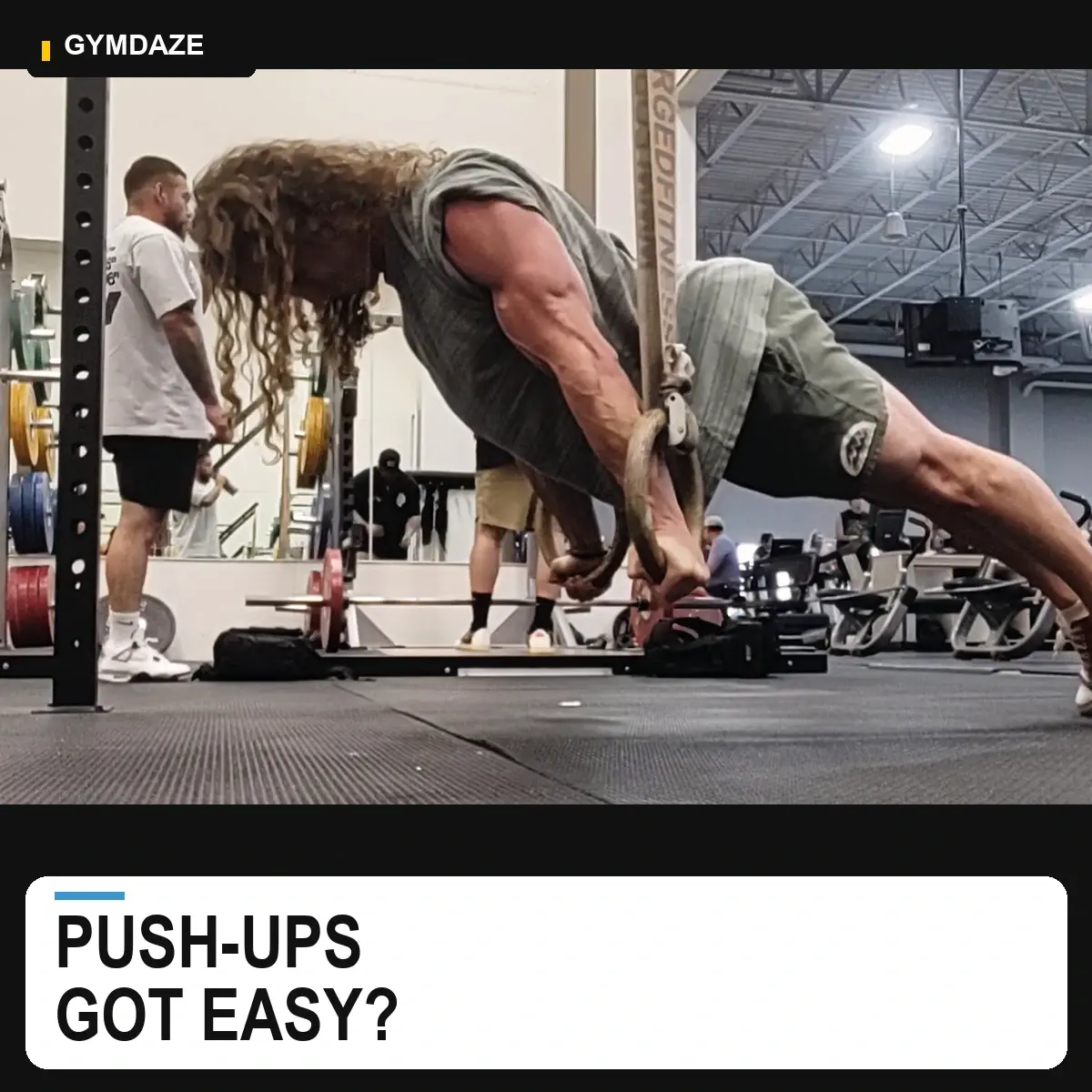
The pseudo-planche push-up makes the forward lean more obvious. Start from a push-up position and bring your shoulders forward of your hands. Keep that lean as you lower and press. If you drift backward on every rep, you're changing the exercise halfway through it. Use a small lean that your wrists and shoulders tolerate before trying the position I demonstrate.
For something closer to an overhead press, raise your hips into a pike. Bend your elbows and lower your head toward the floor slightly in front of your hands, then press back up. Your feet can stay on the floor. This changes the pressing angle and places more emphasis on the shoulders, though your triceps and other muscles still help.
Bands give you familiar gym options too. For a front raise, stand securely on a long loop band, keep a slight bend in your elbows, and lift your arms in front of you to around shoulder height. Keep your torso quiet. Leaning backward to finish the rep adds movement without necessarily giving your shoulders the work you wanted.
I also demonstrate a half-kneeling, one-arm band press. Secure the band beneath your front foot, start with your hand near your shoulder, and press overhead. Choose resistance you can control on the way down. Take the tension off the band before releasing your grip.
Side delts: move your body away from your arm
A dumbbell lateral raise lifts your arm away from your side. You can create a similar shoulder action with your forearm on the floor and your body moving away from it.
In the knee-supported version, start on your side with your working forearm on the floor and your shoulder slightly past your elbow. Press through that forearm to lift your upper body toward a side-plank position, then lower under control. Watch the shoulder movement in the demonstration at 3:12. Simply lifting and dropping your hips misses the movement we're trying to reproduce.
The towel-and-wall version uses friction. Wrap a towel around your forearm and hold it in place. With your feet secure, lean toward a wall that can safely take the pressure. Push your forearm into the wall and slide it upward as your body moves away. Keep your elbow bend fairly consistent and reverse the movement slowly.
The wall surface, towel and amount of pressure all change how this feels. Don't assume a foot position that works in my room will behave identically in yours. Check that your shoes won't slide and that the wall surface won't be damaged. If you can't make the setup secure and controllable, use a band raise instead.
For that band raise, stand on the band and sweep your arms out to the sides. Keep a slight, fairly fixed elbow bend. Bands get harder to stretch as they lengthen, so a resistance that feels easy near the bottom may be difficult near the top. Don't turn the finish into a big shrug just to reach a height you've decided you must hit.
These variations apply resistance to the shoulder movement shown in the video; that doesn't establish that they produce identical muscle growth. Pick the one you can set up and repeat reliably.
Rear delts: rows and flies
For the back of the shoulder, think about bringing your upper arm backward or opening it out from in front of you. An elbows-out row involves the rear delts along with the upper back and elbow flexors. A rear-delt fly keeps the elbow angle more consistent as the arms open.
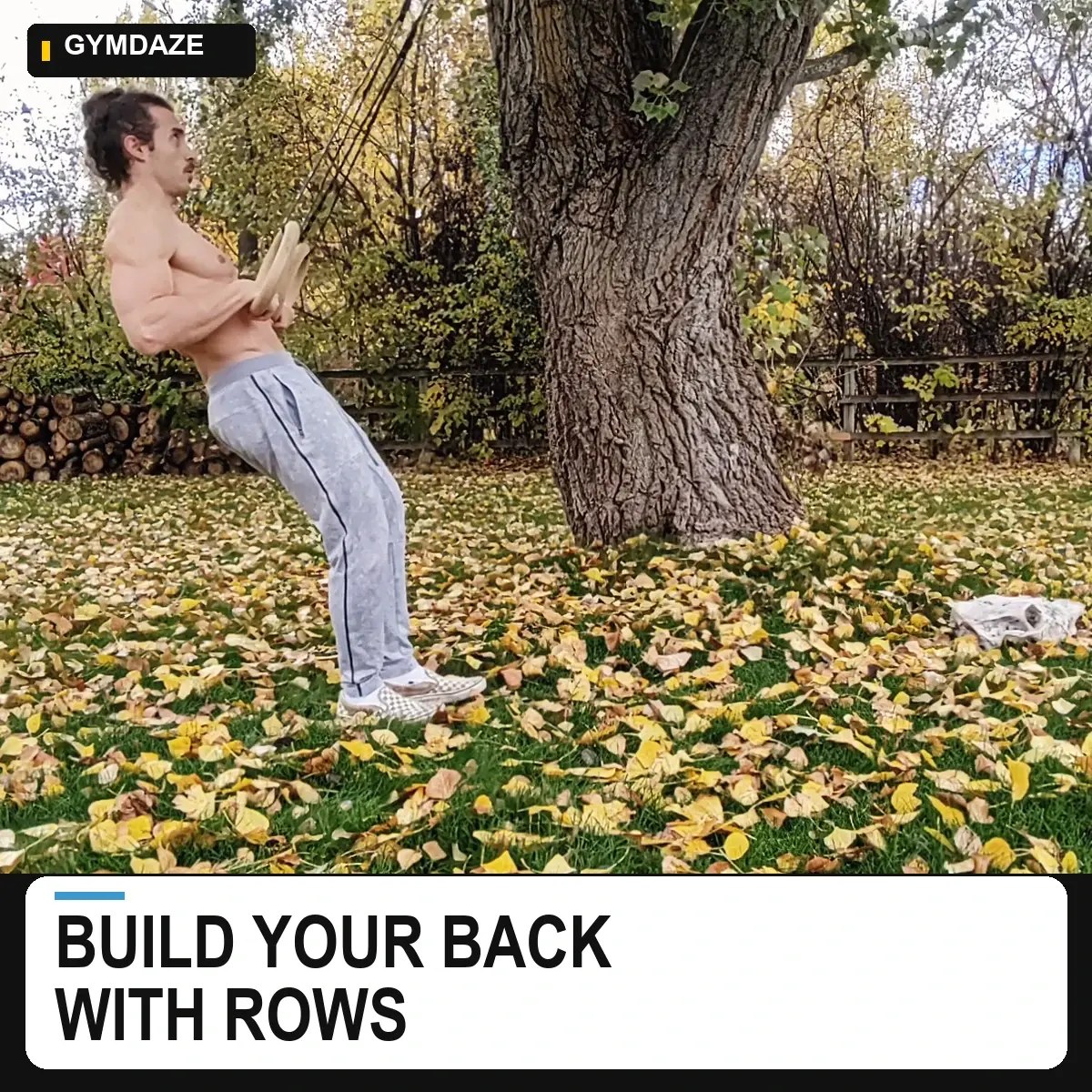
With rings or a suspension trainer, face the anchor and lean back with your arms in front. Open your arms in a wide arc while keeping that small elbow bend. Bring yourself only as far as you can control, then return slowly. Use a properly installed, load-rated anchor and follow the equipment's instructions.
I also demonstrate a couch-and-ottoman setup, pressing the elbows into the supports to lift the torso. That's a demonstration of the movement, not a reason to assume any two pieces of furniture can support you. Furniture can slide, tip or break under exercise loads. If you haven't established that the supports can take those forces, choose the band option or suitable exercise equipment.
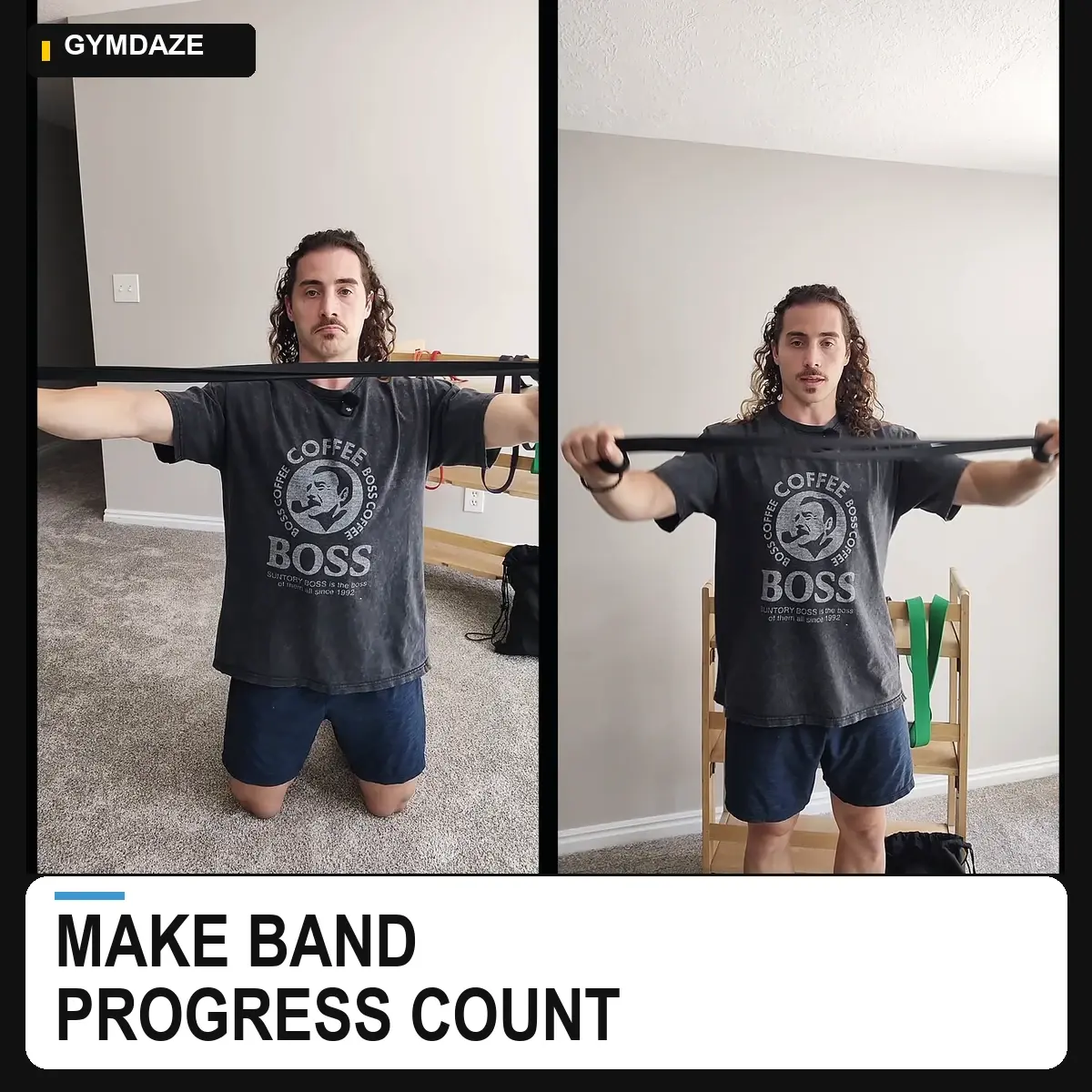
A band pull-apart is much simpler to arrange. Hold a band in front of your chest with your elbows slightly bent, then open your arms. Keep the movement controlled instead of throwing your chest forward to finish. An anchored one-arm fly gives you another option when you have a secure anchor made for that purpose.
Inspect bands for damage before training and follow their stretch and anchoring limits. Replace damaged bands instead of stretching them near your face.
Use the movements you recognize
You don't need every variation in the video. If your push-ups already give your front delts plenty of work, the more useful addition may be a lateral raise or rear-delt movement. If you want an overhead press, the pike and band versions give you places to start.
The GymDaze exercise library lets you look up the individual movements. If you're choosing bands, the resistance-band guide explains the different types before you buy anything. Start with the movements and equipment you can use consistently, then fill the gaps in the shoulder training you're already doing.
Common questions
Frequently asked questions
Do I need handstand push-ups to train shoulders at home?
No. Pike push-ups keep your feet on the floor, and bands provide front raises and overhead presses. Lateral raises and rear-delt work give you options for the other parts of the shoulder.
References