
Expert exercise
Straight One-Arm Handstand
Also called Svecha
Recommended external demonstration
Watch Straight One-Arm Handstand
Loading video controls…
Watch on YouTubeOne Arm Handstand - 3 Basic Positions (7 years later)
Technique
How to perform Straight One-Arm Handstand
- Enter a controlled freestanding handstand with straight elbows and your legs straight and together.
- Push tall through your shoulders and keep your ribs and pelvis aligned.
- Shift your body over one hand while gradually reducing pressure through the opposite palm and fingertips.
- Lift the free hand when your weight is supported over the working hand, using the free arm as needed for balance.
- Maintain the straight, joined-leg position with the supporting shoulder elevated and elbow straight, making small hand-pressure adjustments.
- Return the second hand to the floor and use your practiced handstand exit; repeat on the other side as intended.
Programming relevance
Muscles involved
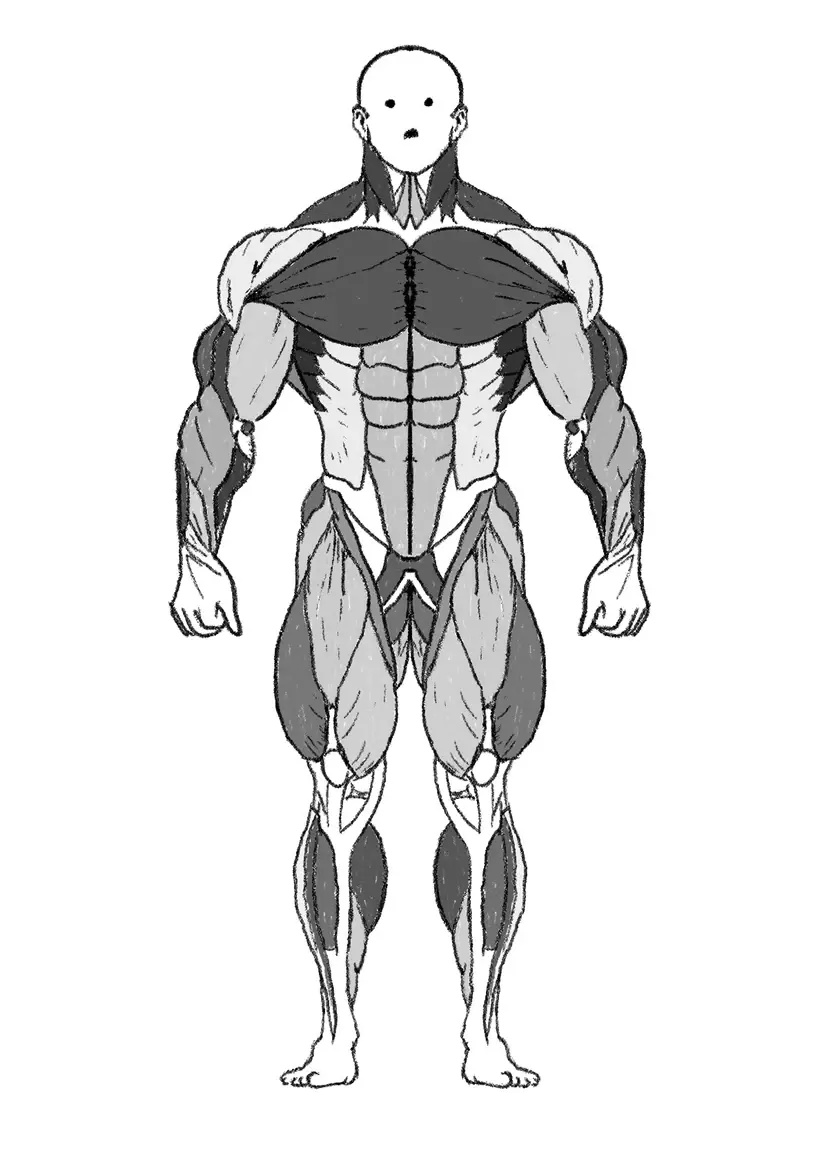
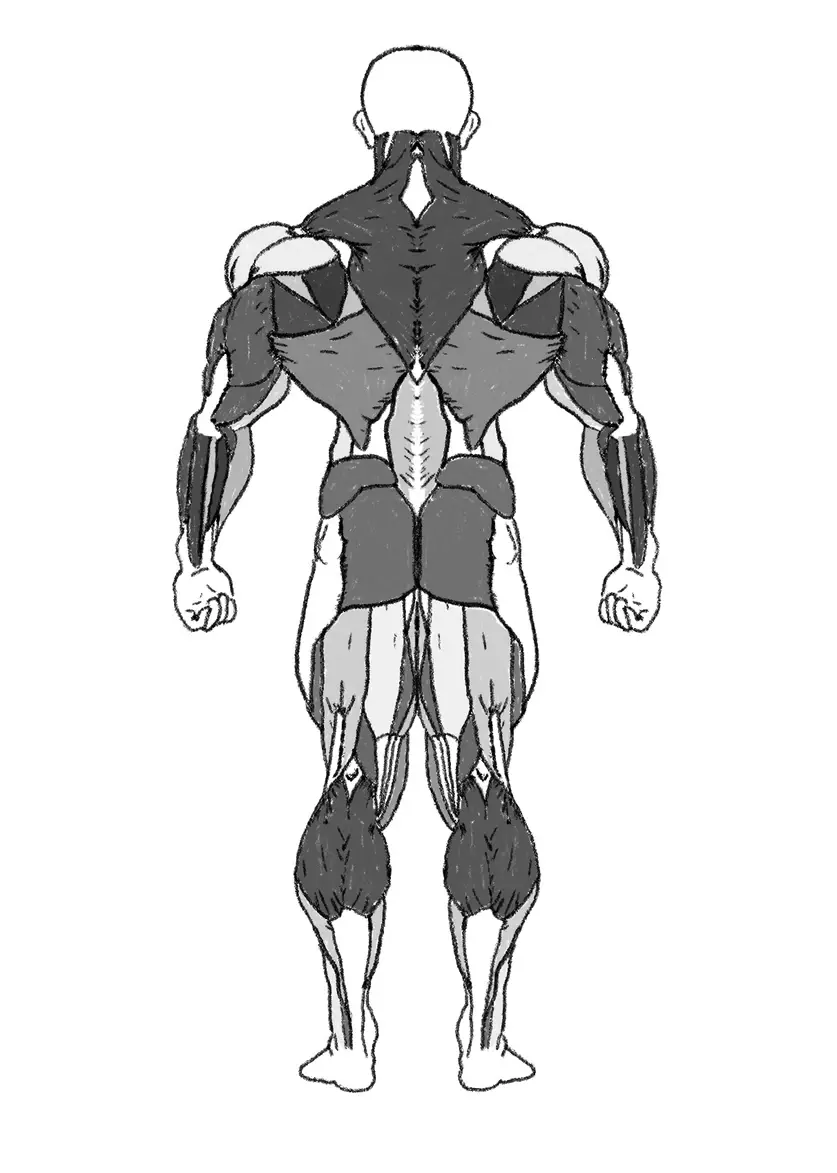
Primary targets: Anterior Deltoid, Serratus Anterior, Trapezius.
MuscleScoreRole
Calisthenics graph
Progression relationships
These relationships describe graph position, not personal readiness.