
On this page
The male villager from Age of Empires II looks like a load-bearing wall that got a farming license. So I made him a home workout: upper body on Monday, lower body on Tuesday, then push, pull and legs after a rest day. It uses rings, bands and bodyweight to train the shoulders, back, arms and legs that inspired the idea.
The video above shows the exercise choices. Below is the written routine and how to scale it. The character gives us a reason to train those areas; the routine can't promise his proportions. You also don't need to start chopping wood all day.
Your weekly build order
| Day | Session |
|---|---|
| Monday | Upper |
| Tuesday | Lower |
| Wednesday | Rest |
| Thursday | Push |
| Friday | Pull |
| Saturday | Legs |
| Sunday | Rest |
This is a substantial week: 17, 13, 12, 13 and 14 working sets across the five sessions. Those are total exercise sets, not sets for each muscle. Warm-ups are additional.
If you're new or returning after time off, begin with one or two working sets per exercise and see how you recover. If five days won't fit, use a smaller plan that you can repeat. The guide to reducing training days explains that choice. If you already train, replace comparable work with this routine instead of adding an entire second program.
Set up the equipment and choose your level
The full routine needs securely installed rings with enough space for the movements, a suitable place for pull-ups or chin-ups, long-loop bands, and a clear floor. You'll also need a stable rear-foot support for split squats and sliders or a surface suitable for controlled sliding. A wall is useful for later handstand progressions.
A pull-up bar by itself doesn't provide every ring exercise below. Make sure the equipment supports the movements you've selected. Use rated anchors, inspect the bands and follow their stretch limits.
Do easier versions before the working sets. Choose resistance or leverage that makes the last reps demanding while leaving roughly one to three clean reps available. That may mean a more upright row, assisted chin-ups or a supported single-leg squat. The most advanced demonstration is there to show a possible progression; you don't have to use it.
The ACSM's resistance-training guidance supports home training with bands and bodyweight. It doesn't establish this five-day character routine as uniquely effective. The exercise selection and prescriptions here are practical programming choices.
Monday: upper body
| Exercise | Sets × reps | Rest |
|---|---|---|
| Ring rows | 3 × 8–15 | 2–3 minutes |
| Push-ups | 3 × 8–15 | 2–3 minutes |
| Pull-ups, assisted as needed | 2 × 5–10 | 2–3 minutes |
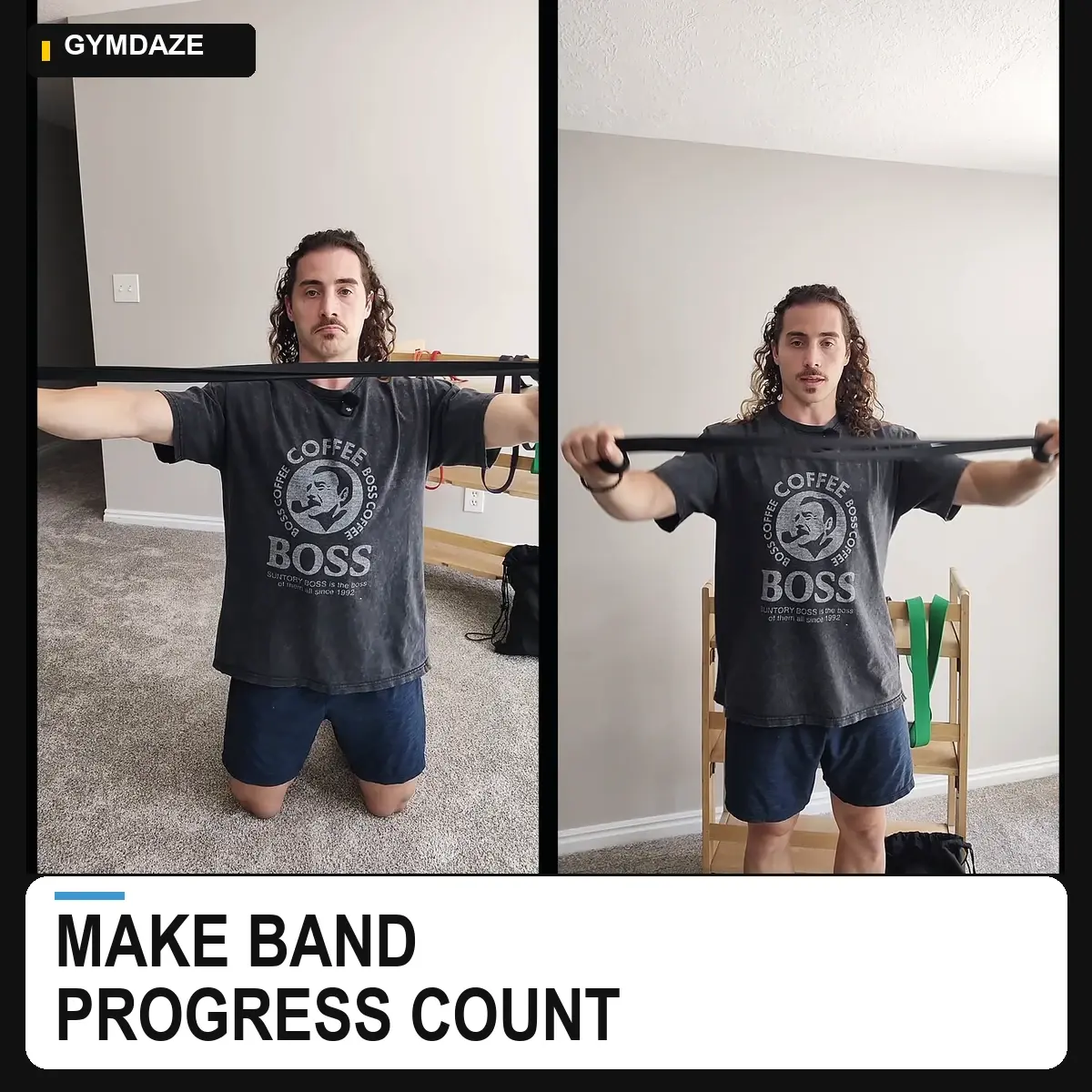
| Band lateral raises | 3 × 12–20 | 60–90 seconds |
| Band biceps curls | 2 × 10–15 | 60–90 seconds |
| Ring triceps extensions | 2 × 8–15 | 60–90 seconds |
| Feet-supported grip squeezes | 2 × 6–12 | 60–90 seconds |
For rows, keep the body steady and pull toward your ribs. A more upright angle is easier; moving closer to horizontal makes the same movement harder. The home back-training guide explains the elbow path and setup.
Use the same idea for ring triceps extensions: start upright enough to bend and straighten your elbows without losing the body position. On curls, keep your hips from throwing the band upward.
The grip work near the end of Monday is feet-supported. Start nearly upright and use a small, controlled opening and closing of the hand while retaining the rings. Don't turn a fingertip demonstration into an unsupported hang you can't recover from.
Tuesday: lower body
| Exercise | Sets × reps | Rest |
|---|---|---|
| Bulgarian split squats | 3 × 8–15 per leg | 2–3 minutes |
| Band Romanian deadlifts | 3 × 10–20 | 2–3 minutes |
| Hamstring sliders | 2 × 8–15 | 90 seconds |
| Single-leg calf raises | 3 × 12–20 per leg | 60–90 seconds |
| Lying leg raises | 2 × 10–20 | 60–90 seconds |
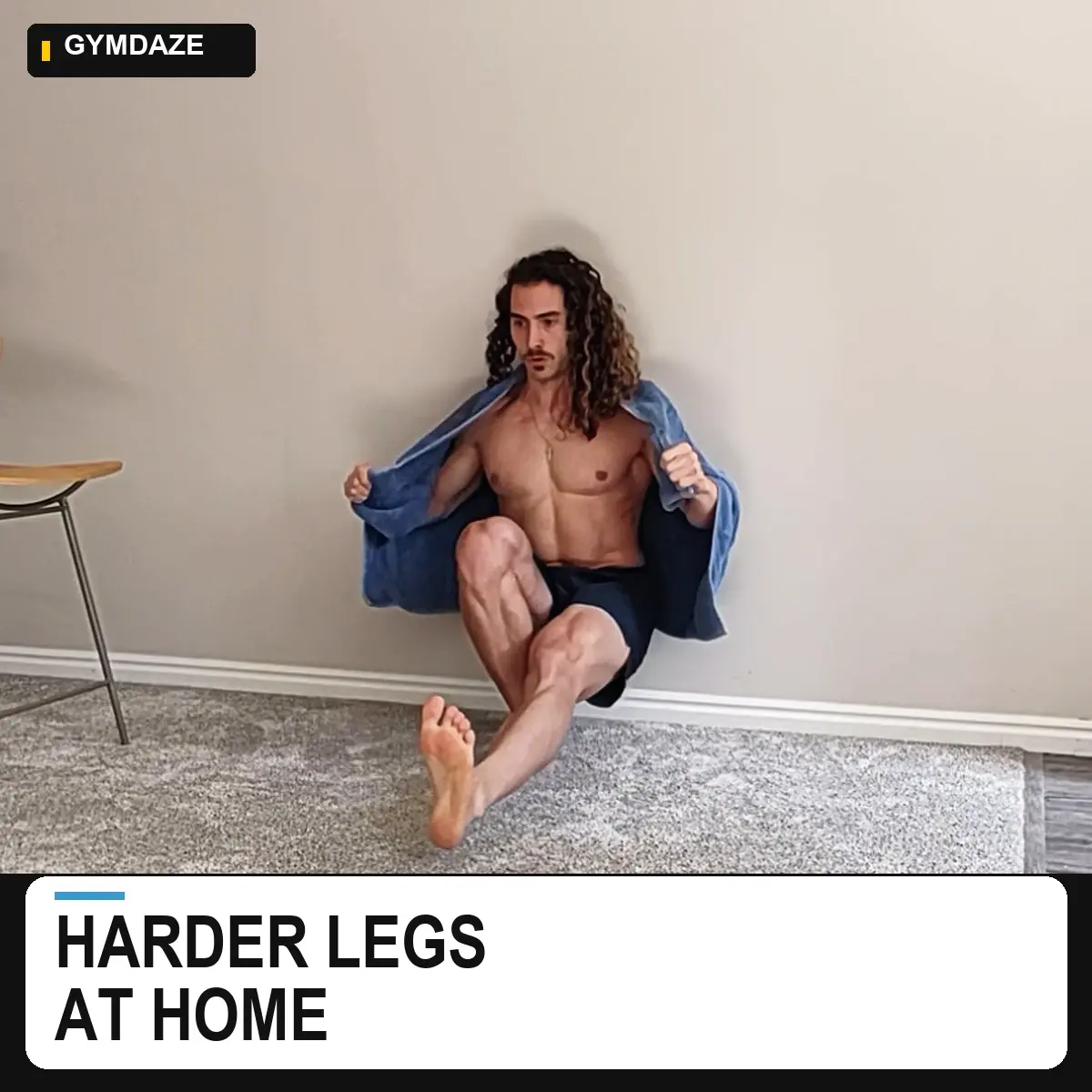
For split squats, complete both legs before the main rest, taking a short reset between sides when needed. Add band resistance when the bodyweight version becomes too easy. On calf raises, take enough time between sides and sets to repeat the movement well.
The Romanian deadlift is the hip-hinge slot. Stand securely on the band, soften your knees and send your hips backward while keeping your back position controlled. The sliders then give you a knee-bending movement: lift the hips, slide the heels away within a range you can control, and curl them back.
On lying leg raises, watch the pelvis. Bend the knees or shorten the lowering range if you can't control your lower back. Curl the pelvis toward the ribs at the top instead of judging the rep only by how high your feet travel.
Thursday: push
| Exercise | Sets × reps | Rest |
|---|---|---|
| Pike-to-handstand push-up progression | 3 × 6–12 | 2–3 minutes |
| Push-ups or ring dips | 3 × 8–15 push-ups; 6–12 dips | 2–3 minutes |
| Band lateral raises | 3 × 12–20 | 60–90 seconds |
| Ring triceps extensions | 3 × 8–15 | 60–90 seconds |
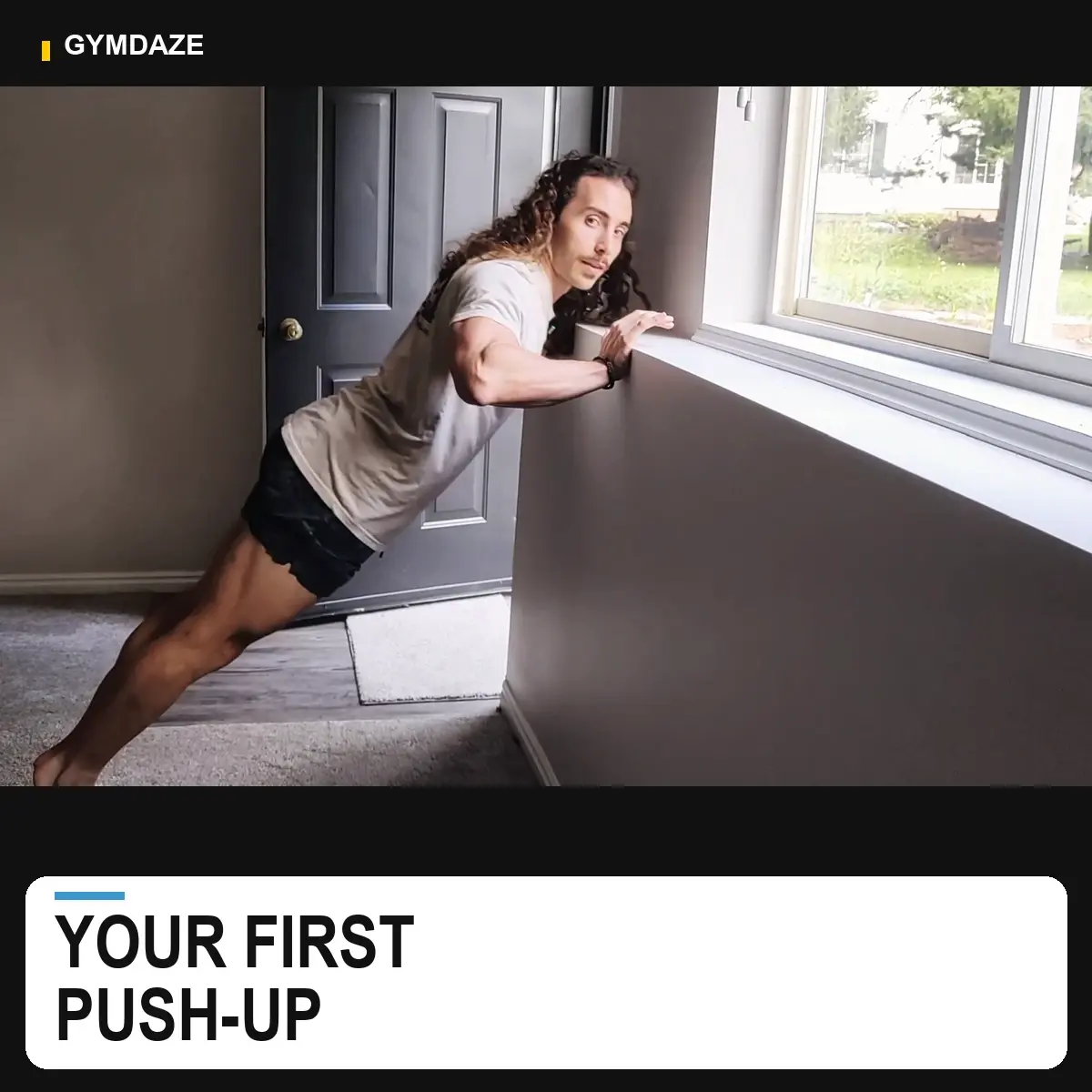
A floor pike push-up is the starting option for the overhead pressing slot. Raising the feet and using wall-supported handstand work come later, as control allows. Keep your head from taking your weight at the bottom.
Choose either push-ups or dips for the next slot. Ring dips require a controlled support position and a comfortable range. The push-up progression guide shows ways to add difficulty without making dips compulsory.
Friday: pull
| Exercise | Sets × reps | Rest |
|---|---|---|
| Pull-ups | 3 × 5–10 | 2–3 minutes |
| Ring rows | 3 × 8–15 | 2–3 minutes |
| Pelican curls on rings | 3 × 6–12 | 90 seconds |
| Supported band wrist extensions, palms down | 2 × 12–20 | 60–90 seconds |
| Band shrugs or bodyweight shrugs | 2 × 12–20 with bands; 8–15 bodyweight | 60–90 seconds |
Keep the pull-up grip and row setup consistent enough to compare sessions. For pelican curls, keep your feet supported and begin with an easy lean and a small, comfortable range behind your body. Don't drop into a deep stretch. Make the lean easier if you can't control it.
Friday's forearm exercise is a palms-down wrist extension. Support the forearms and let the hands move against the band's pull. This differs from Monday's grip exercise. For shrugs, keep the elbows straight and move through the shoulders; choose the band or supported bodyweight version you can control.
Saturday: legs
| Exercise | Sets × reps | Rest |
|---|---|---|
| Appropriate single-leg squat progression | 3 × 6–12 per leg | 2–3 minutes |
| Reverse lunges | 3 × 10–15 per leg | 2–3 minutes |
| Hamstring sliders or suspended curls | 3 × 8–15 | 90 seconds |
| Single-leg calf raises | 3 × 12–20 per leg | 60–90 seconds |
| Side-to-side hanging knee tucks or oblique sliders | 2 × 8–12 per side | 60–90 seconds |
Use assistance on the single-leg squat when balance prevents controlled leg work. The home leg progression guide shows options when an ordinary bodyweight version gets easy. Rest after both legs on squats and lunges, with a short reset between sides as needed.
Floor sliders and suspended curls are alternatives. Rings don't automatically make the exercise harder; the range, body position and number of working legs change the demand. If you use a one-leg curl, count the reps for each leg.
For hanging knee tucks, curl the pelvis with a small rotation toward each side and settle between reps. Eight to twelve per side means sixteen to twenty-four total. If swinging takes over, shorten the movement or use a controlled knee raise without the rotation. Oblique sliders are the floor-based option shown in the video.
When to make an exercise harder
For the ab exercises, the leg-raise technique guide explains the pelvic curl and easier lying variations.
Record the reps and the setup. For rows, that includes ring height and foot position. For bands, record which band and how you held or stood on it. Changing the setup every session makes the rep count hard to interpret.
Say you get fifteen, thirteen and eleven on your three sets of rows. Keep the setup and work on bringing the later sets up. Once all three reach fifteen with the same control, make the angle slightly harder. If the new version drops you below the bottom of the range, take a smaller step.
Rest times are starting points. Take longer if you need it to do the next set well. If fatigue keeps disrupting later sessions, reduce the work instead of forcing the original set count. Sharp or pinching pain is a reason to stop and adjust; persistent symptoms need individual assessment.
The Male Villager program page has the accompanying program package. For your first session, choose the versions you can control and record the sets. That gives you a week you can repeat and a clear comparison when you come back.
Common questions
Frequently asked questions
Should I do both alternatives in an exercise slot?
No. Push-ups or ring dips occupy one pressing slot, just as sliders or suspended curls occupy one hamstring slot. Pick the version you can control and keep a record of its setup.
References